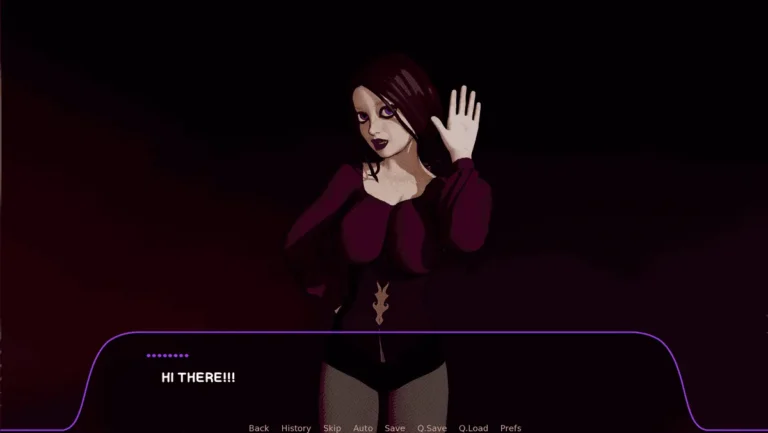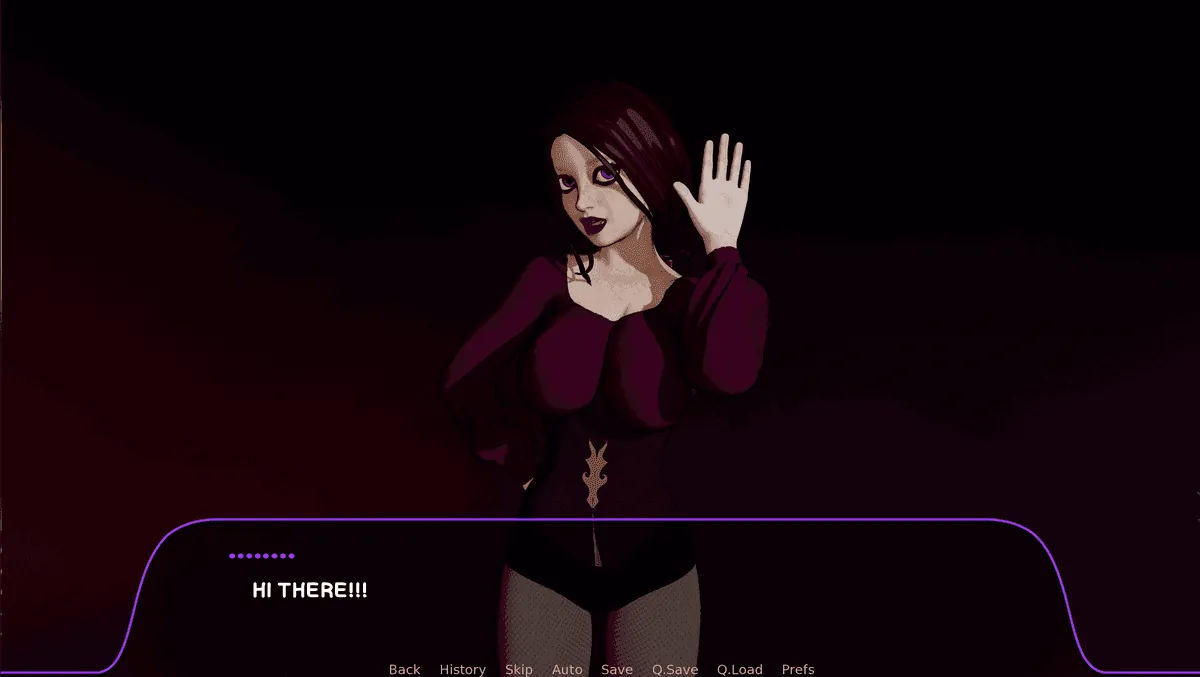
Corruption Time
Play Corruption Time
Corruption Time Screenshots
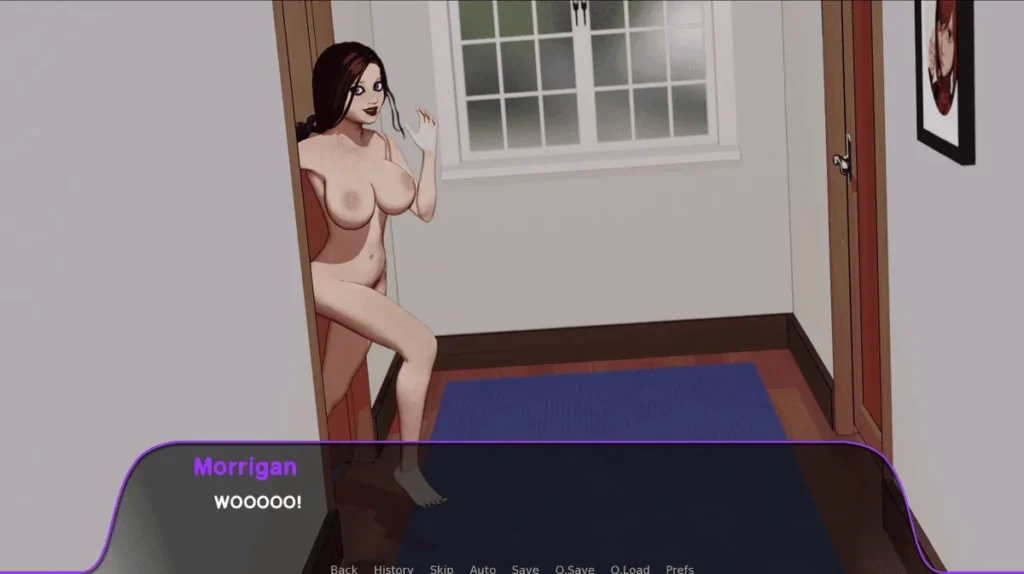
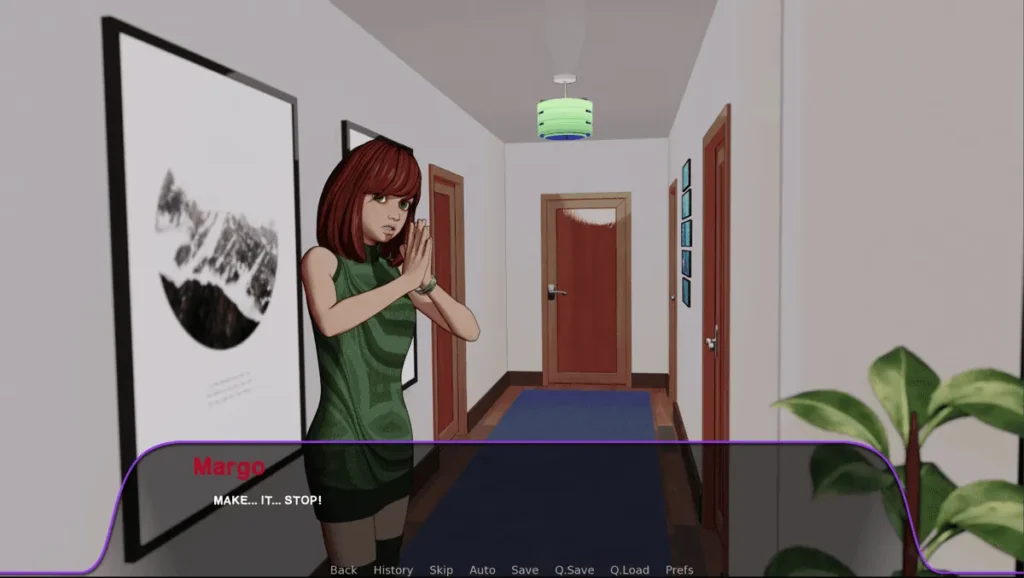

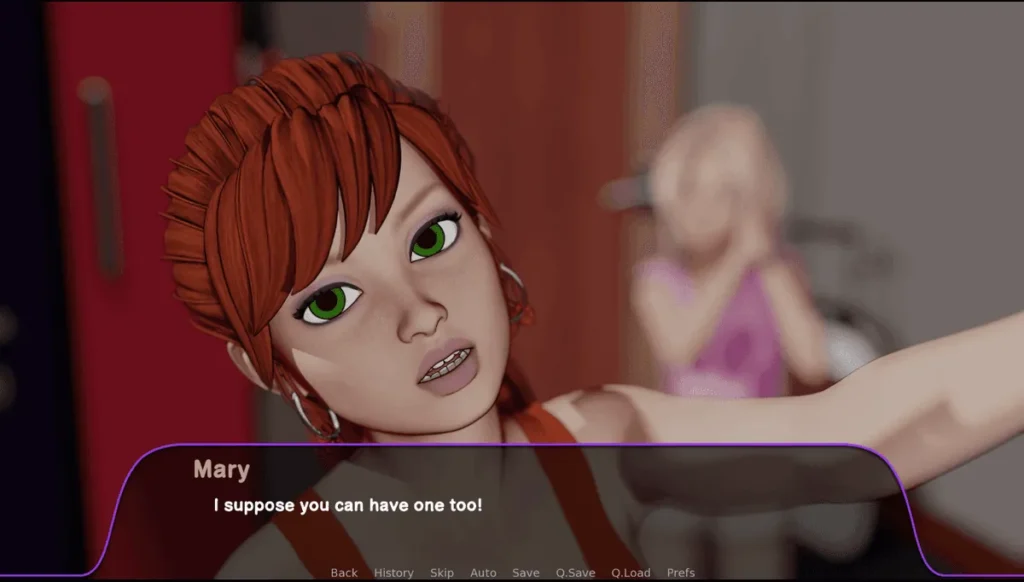
Corruption Time review
Story, gameplay, updates and practical tips for getting started with Corruption Time
Corruption Time is an adult-oriented game that blends visual novel storytelling with life-sim elements, time management, and character progression. Players guide the main character through daily routines, events, and choices that gradually change relationships and personalities over time. If you have seen scattered forum threads or short reviews and still feel confused about how Corruption Time really works, this guide is for you. I will walk you through what the game offers, how the core systems function, and what you should know before investing several hours into a new save.
What Is Corruption Time and How Does It Work?
Picture this: you’ve just moved to a new, seemingly ordinary town. 🏡 Your goal? To settle in, meet the neighbors, and live your life. But there’s a twist. Every interaction, every choice of where to go and when, doesn’t just pass the time—it actively shapes the world and the people around you. This is the essence of the Corruption Time game. It’s a narrative-driven experience where you manage a character’s daily routine, but your curiosity and choices lead to unexpected, often mature-themed, story branches. So, what is Corruption Time at its heart? It’s a digital sandbox of social experimentation, wrapped in a deceptively simple time-management shell.
The core loop of Corruption Time gameplay is beautifully straightforward yet deep. You explore a map of locations—homes, shops, parks, and more. Each day is divided into blocks of time, and characters have their own schedules. The bakery owner might be at the counter in the morning, at the park in the afternoon, and home at night. Your mission is to be at the right place at the right time, initiate conversations, and see how your dialogue choices influence events. Progress isn’t about quick reflexes; it’s about patient observation, pattern recognition, and the thrill of unlocking a new scene because you finally decided to visit the library on a rainy Tuesday evening.
### What is the basic premise of Corruption Time?
At its core, the Corruption Time game is about influence and discovery through routine. You guide a main character living in a community, and your primary tools are time and conversation. The basic premise isn’t about grand quests or defeating bosses; it’s about the slow burn of changing relationships and triggering cascading events through seemingly minor daily decisions.
Think of it as a living, breathing dollhouse where every resident has autonomy. Your job is to insert yourself into their lives. Maybe you repeatedly help one neighbor with groceries, or perhaps you choose to eavesdrop on a private conversation at the local bar. Each action has a reaction. The “corruption” in the title hints at this gradual shift—the way consistent interactions can alter a character’s behavior, morals, or storyline path. It’s a player experience built on cause and effect, where you are both the observer and the catalyst.
The tone balances mature themes with a sense of playful experimentation. While the narratives deal with adult situations and relationship dynamics, the game often uses humor and over-the-top scenarios to keep things engaging. It’s not a grim simulator; it’s a space to play with social dynamics without real-world consequences. The atmosphere is one of tantalizing possibility, asking “what if I try this?” at every turn.
To break it down, here are the pillars of the Corruption Time gameplay loop:
* Time Segments: Days are split into clear parts (e.g., Morning, Afternoon, Evening, Late Night). This structure is the game’s heartbeat.
* Multiple Locations: A map full of places to visit, each potentially housing different characters or events depending on the time.
* Character Routes: Each major character has their own storyline that progresses based on your interactions, often requiring you to meet them in a specific sequence or under certain conditions.
* Branching Scenes: Dialogue choices and actions don’t just offer flavor text; they lock or unlock future scenes, creating a web of narrative possibilities.
My own first foray into this world was hilariously inefficient. I spent my first in-game week like a lost tourist. 🗺️ I’d pop into the café at noon hoping to find a certain character, only to learn they’re a night owl who works late. I’d wander past a house, see the lights on, but not realize that knocking after 10 PM might lead to a completely different (and more interesting) conversation than a daytime visit. I missed so many early opportunities simply because I didn’t understand the rhythm. But then, it clicked. I started noting who was where and when. The real “aha!” moment came when I followed one character from their workplace to a park bench and finally to their home, getting three vastly different interactions that slowly pieced together their story. That sense of discovery—of finally connecting the dots you’ve been patiently observing—is the golden reward of the Corruption Time player experience.
### How does the time and day system shape your playthrough?
This is where how Corruption Time works truly comes into focus. The time and day system isn’t just a backdrop; it’s the primary mechanic governing every aspect of your playthrough. It’s the puzzle you’re constantly solving.
The game operates on a tight schedule. Certain events are like rare comets—they only appear in a specific location during a one-hour window on a particular day of the week. If you’re busy elsewhere, you miss it, and you might have to wait a full in-game week for another chance. This design creates a powerful sense of consequence for your choices. Choosing to spend your afternoon at the gym might mean forfeiting a crucial story beat happening simultaneously at the town hall.
This system fundamentally encourages repetition and experimentation. You will replay days. This isn’t a flaw; it’s the core gameplay. A first playthrough of a week is a scouting mission. Your second is an informed strategy session. You might use a “Morning” to trigger an event at Location A, knowing it will free up a character to be available at Location B in the “Evening.” The Corruption Time gameplay becomes a delightful logistics puzzle wrapped in a story.
To visualize how this shapes your decisions, let’s look at how a typical in-game schedule might influence your goals:
| Time Block | Common Character Activity | Typical Player Goal |
|---|---|---|
| Morning (7 AM – 12 PM) | Characters at workplaces, running errands, home routines. | Initiate first contact, complete minor tasks, gather initial information. |
| Afternoon (1 PM – 5 PM) | Social hours, leisure activities, part-time jobs. | Deepen conversations, find characters in more relaxed settings, trigger secondary events. |
| Evening (6 PM – 10 PM) | Dinner, private time, hidden meetups, night jobs. | Access more personal story beats, catch characters off-duty, discover secrets. |
| Late Night (11 PM – 2 AM) | Sleeping, clandestine activities, unique late-night events. | Explore risky or exclusive content, witness events not seen during the day. |
The magic happens in the “what if.” What if you skip work to follow someone? What if you give a certain gift at night instead of during the day? The time system means there are no meaningless choices, only unexplored timelines. My personal breakthrough was with a reclusive artist. By day, she was curt and dismissive at her studio. On a whim, I visited the coastal bluff at sunset and found her there painting. That scene changed our entire dynamic and opened up a new path. The game had taught me: location and time are just as important as the words you choose.
### Who is Corruption Time really designed for?
After understanding what is Corruption Time and how its clock ticks, the natural question is: is this for me? Let’s be clear about the Corruption Time player experience to set the right expectations.
This Corruption Time game is a perfect match for a specific kind of player. It’s designed for those who find joy in the journey of experimentation itself. If you love slowly unraveling a mystery, optimizing a routine, and seeing the long-term results of small, consistent actions, you will feel right at home. It’s for players who enjoy visual novels and simulation games but crave more interactive influence and a less linear structure. The joy comes from building your own understanding of the game’s systems and narratives through trial and error.
Pro Tip: Don’t try to “win” your first week. Your first few hours should be pure, curious exploration. Talk to everyone, go everywhere, and take mental notes. Treat it like learning the habits of a complex ecosystem. The optimization comes later, and it’s far more satisfying when it does.
Conversely, a Corruption Time review from a player seeking instant gratification or action-packed sequences would likely be negative. This is not that kind of game. Progress is measured in scenes unlocked and relationship points subtly shifted, not in levels gained or enemies defeated. If you dislike repetition or prefer a game that guides you directly from one story beat to the next with clear objectives, you might find the pace slow.
To summarize the ideal audience, let’s break it down:
| You Will LOVE Corruption Time If… | You Might Want To Skip It If… |
|---|---|
| You enjoy “social detective” work and piecing together story bits. | You prefer fast-paced action, combat, or constant adrenaline. |
| You find satisfaction in mastering schedules and game systems. | You get frustrated by trial-and-error or missing time-sensitive events. |
| You like making choices that have long-term, branching consequences. | You want a straightforward, linear narrative with a clear “good” path. |
| You appreciate adult-themed stories and character-driven arcs. | You are looking for a game focused solely on lighthearted or casual play. |
In my Corruption Time review of my own experience, the game’s design brilliantly filters for its audience. It rewards patience, curiosity, and a touch of stubbornness. 🏆 I’ve laughed at absurd situations I triggered, felt genuine surprise when a character’s story took a dark turn based on my actions, and spent whole real-world hours perfectly plotting a single in-game day to align three separate character events. That is the unique appeal.
So, who is Corruption Time for? It’s for the patient architect, the curious observer, and the experimental storyteller. It’s for players who want to peer into a living world and gently—or not so gently—push it in new directions. If you approach it not as a race to an ending, but as a sandbox for narrative experimentation, you’ll uncover one of the most uniquely engaging player experiences in story-driven gaming. Your first step is simple: let go of the need to be efficient, embrace the routine, and see where the clock takes you. ⏳
Corruption Time rewards curious players who are willing to explore routines, experiment with choices, and slowly piece together how each character route fits into the overall schedule. Once you accept that the early hours are about learning patterns rather than rushing to specific scenes, the experience becomes far more engaging and satisfying. If you enjoy story-heavy games where your daily decisions and timing really matter, Corruption Time is worth giving a fair try. Take your time, keep notes on what you discover, and treat each new event as part of a long-term journey rather than a quick stop.