Divine Dawn
Play Divine Dawn
Divine Dawn Screenshots



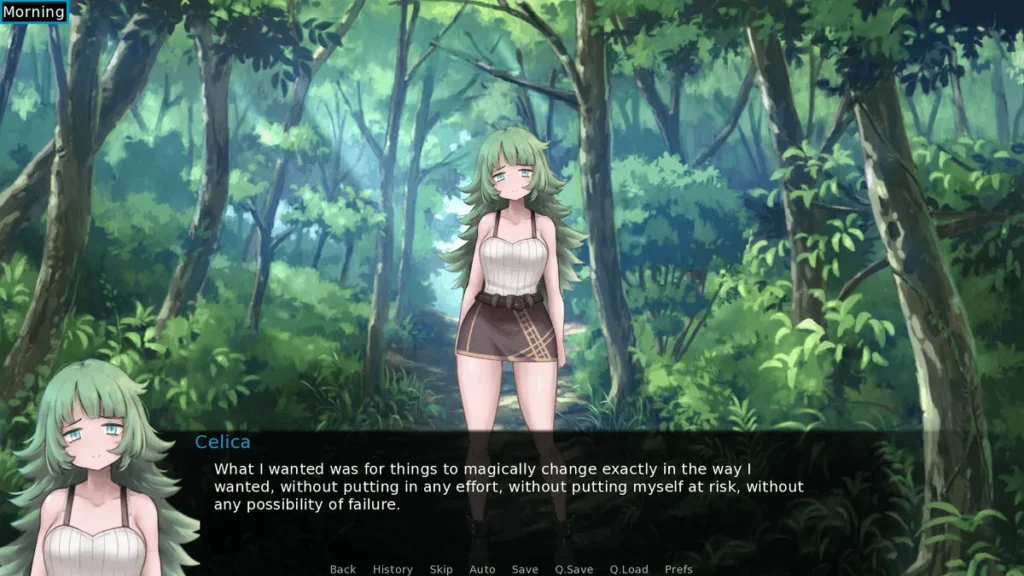
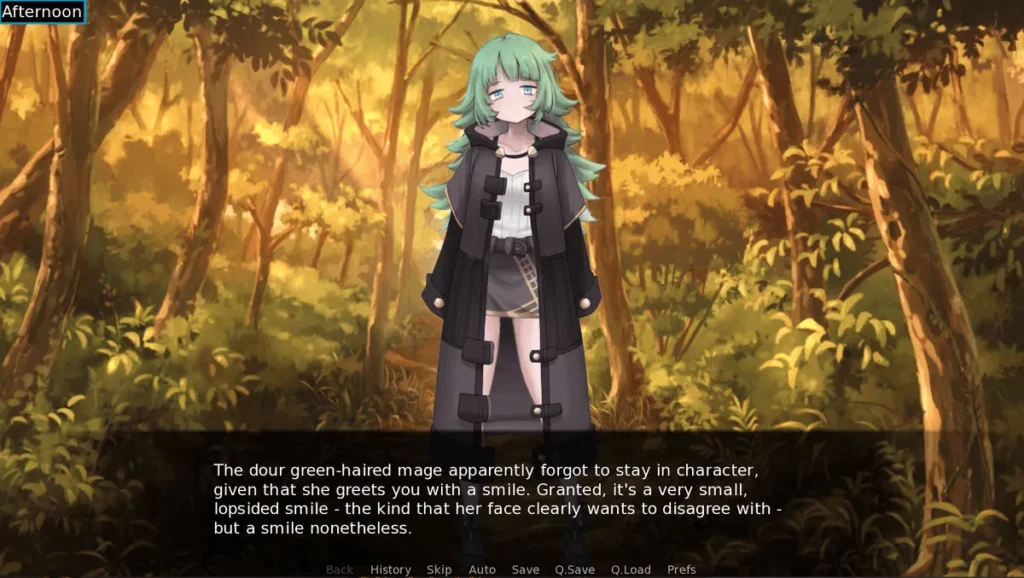
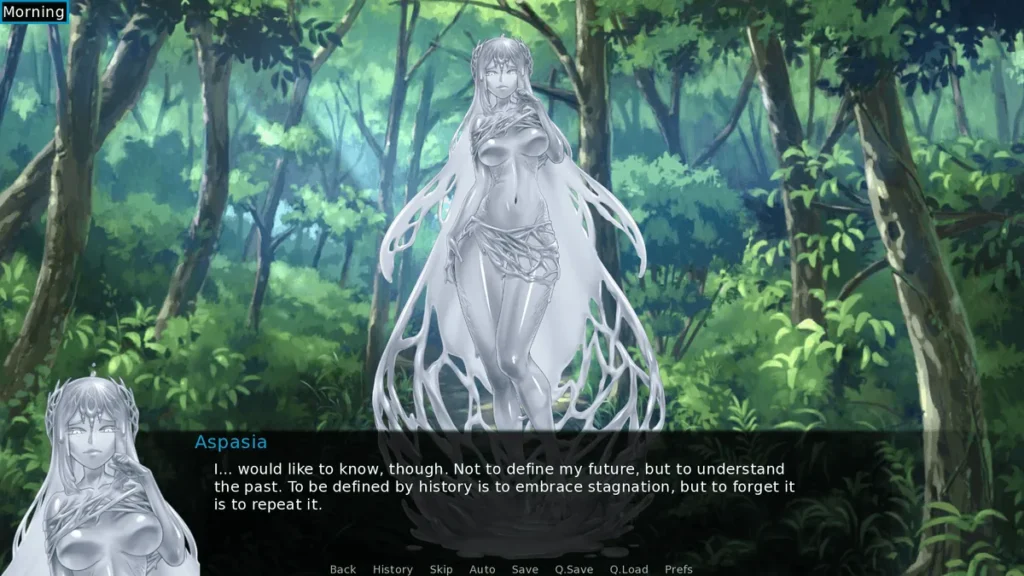
Divine Dawn review
An in-depth, player-focused guide to Divine Dawn
Divine Dawn is a narrative-driven adult role-playing experience that blends story, character interaction, and tactical encounters to create a memorable player journey. In this article I’ll walk you through what makes Divine Dawn distinct, share hands-on impressions from playing it, and give actionable tips to help you enjoy and navigate the game’s systems and narrative choices. Whether you’re curious about the cast, progression, or how to shape relationships and outcomes, this guide covers everything a player needs to know.
What is Divine Dawn? Story, Setting, and Themes
So, you’ve just booted up Divine Dawn, created your character, and now you’re staring at a world teeming with possibility. Where do you even begin? 🗺️ Before you dive into the first quest, let’s pull back the curtain on what makes this game’s world tick. Understanding the Divine Dawn story, its rich setting, and the cast of characters you’ll meet isn’t just backstory—it’s the key to shaping your entire adventure. This chapter is your foundation, your guide to the narrative soul of the game.
Overview of the premise and setting
At its heart, the Divine Dawn story is a tale of rising from the ashes. You aren’t a prophesied hero born with a silver spoon; you’re a Scion, a mortal with a sliver of divine essence painfully awakened within you after a cataclysmic event shatters the old pantheon. Your home, the once-glorious Aethelian Empire, is now a fractured realm called the Shattered Crown. Magic bleeds from unstable ley lines, ancient ruins stir with forgotten power, and new factions scramble to fill the power vacuum left by fallen gods. Your motivation is starkly personal yet world-altering: master the nascent power within you, decide what kind of deity you might become, and navigate a world that fears and covets what you represent.
The Divine Dawn setting is a masterclass in lived-in fantasy. It’s not just pretty landscapes; it’s a world with history, grime, and consequence. You’ll start your journey in places like:
- The Port City of Lysterium: A bustling, chaotic hub of commerce and intrigue, where the scars of the divine fall are painted over with frantic ambition. Here, every alley has a story.
- The Sunken Gardens of El’Ahr: A once-sacred oasis now half-drowned in magical runoff, representing nature’s beautiful, twisted reclamation.
- The Archivum Fractum: A labyrinthine library holding the world’s memories, now physically fragmented—its corridors literally don’t connect logically, mirroring the broken history you must piece together.
This world is populated by factions with very human desires, not just generic “good” or “evil” groups. You’ll quickly encounter:
- The Reclaimer Covenant: Militant survivors who believe all divine magic is a plague and seek to “purify” the world, even if it means destroying Scions like you.
- The Sybarite Choir: A cult of hedonists and artists who see the fall of the old, strict gods as a liberation, embracing chaos and new, personal forms of worship.
- The Stellar Cartographers: Scholars and explorers obsessed with mapping the new magical anomalies, offering knowledge for a price.
The genius of the Divine Dawn setting is how it blends high-fantastepics with mature, character-driven stakes. Yes, there are world-ending threats, but the most compelling moments often happen in a smoky tavern, during a private conversation where a character’s ambition or desire clashes with your own. It’s a world that feels responsive, where your divine spark doesn’t make you untouchable—it makes you a target, a symbol, and a piece on a very complex board.
Major themes and tone
If I had to pin down the narrative tone of Divine Dawn, I’d call it “earnest adventure brushed with wit.” 🎭 This isn’t a grimdark slog nor a constant joke fest. The game takes its central drama seriously—the weight of potential godhood, the cost of power, the scars on the world—but it lets its characters breathe. You’ll find moments of genuine humor, often born from the absurdity of your situation or the sharp banter of your companions. Romance unfolds naturally, feeling like a meaningful subplot rather than a checkbox. And the adventure? It’s sweeping, giving you that true feeling of exploration and impact.
Beneath this tone, the Divine Dawn themes are what truly elevate the narrative from a simple power fantasy to a thoughtful experience.
- Ambition & Desire: This is the core. Is your ambition to heal the world, rule it, or simply be free of the burden? Every major character, friend or foe, is driven by a deep, tangible desire—for power, love, security, knowledge, or oblivion. Your choices often boil down to which desires you align with or thwart.
- Agency & Consequences: You have incredible agency, not just in plot branches but in defining your Scion’s personality and moral framework. The game remembers everything, from a petty slight to a grand sacrifice. A choice to spare a life in Act I might gift you a crucial ally in Act III, or create a vengeful enemy you never saw coming.
- What Does Godhood Mean? The game constantly asks this through its Divine Dawn characters. Does divinity mean cold, distant order? Chaotic, personal intervention? Compassionate stewardship? Or is it a curse to be shed? You answer this through your actions.
A Personal Insight: The first time I played, I expected a straightforward “beat the bad guys” plot. What I got was a narrative that constantly challenged my assumptions. Helping a seemingly noble faction sometimes meant enabling their hidden tyranny, and a character I wrote off as a villain had motivations that were heartbreakingly understandable. It’s a story that respects your intelligence.
Here’s a quick breakdown of how key themes manifest in the early game:
| Theme | How It Manifests Early On | A Character Example |
|---|---|---|
| Agency | Deciding the fate of a captured Reclaimer soldier—execute, imprison, or release—immediately establishes your reputation. | Captain Rourke (Reclaimer) will address you with fear, respect, or contempt based on this single choice. |
| Desire | The Sybarite Choir offers you power in exchange for embracing chaotic, selfish pleasures during their festival. | Marlowe, a Sybarite poet, tests your resolve not with combat, but with temptations of fame and sensory bliss. |
| Consequences | How you resolve a dispute between refugees and local townsfolk alters available services, side quests, and who supports you later. | Elara, a refugee healer, may join your cause or become a bitter opponent. |
🎭 Discovering a surprising character beat was one of my favorite moments. I’d recruited Kaelen, a stoic Stellar Cartographer, who seemed to be all logic and no heart. During a campfire rest, I chose a dialogue option to ask about his childhood—expecting a dry academic anecdote. Instead, he quietly described teaching his little sister to navigate by the stars before she was lost in the Cataclysm. His entire drive for perfect, orderly knowledge wasn’t just scholarly; it was a desperate, grieving promise. In that moment, a walking encyclopedia became one of my most deeply human companions. It’s these layers that define the Divine Dawn characters.
How story choices shape the experience
The Divine Dawn narrative choices system is the engine of your personal story. It’s not about picking a “good” or “evil” path at a major junction. It’s a web of constant, nuanced decisions that shape your relationships, unlock entire story branches, and redefine your version of the world. Your alignment isn’t a meter; it’s the collective memory of every person you’ve interacted with.
These choices come in several forms:
- Dialogue Stances: Your responses can be Empathetic, Pragmatic, Proud, or Cunning. Consistently using a stance unlocks unique perks and alters how NPCs perceive you. Be consistently Pragmatic, and merchants might give you better deals, while idealists may distrust you.
- Action Choices: Do you solve a problem with diplomacy, subterfuge, brute force, or a display of your divine power? Each method has different short-term and long-term costs.
- Companion Allegiance: Your choices directly impact your relationships. Supporting a companion’s personal goals deepens their loyalty and unlocks powerful synergy abilities in combat, as well as deeply personal quests.
Let’s look at two early-game examples of Divine Dawn narrative choices with real consequences:
-
The Beacon of Lysterium: Very early, you find a relic that can be used to restore a public beacon (bringing hope and order), given to the Cartographers (for knowledge and a reward), or sold to the Sybarites (for coin and notoriety). This isn’t a trivial side quest.
- Restoring it publicly makes the common folk adore you, opening up unique help and shelter options in the city.
- Giving it to the Cartographers grants you access to advanced lore and gear early on.
- Selling it to the Sybarites unlocks a whole series of “shadow market” quests and makes the Reclaimers permanently hostile in that region.
-
The Wounded Wolf: You find a wounded, magically-tainted wolf threatening a farm. You can put it out of its misery, try to heal it using your risky divine power, or scare it off.
- Killing it is quick and gains the farmers’ trust.
- Attempting to heal it is risky (it could fail or backfire), but success might later summon a blessed beast to aid you in a dire fight.
- Scaring it off leaves the problem to fester, potentially leading to a larger, mutated beast problem later that you’ll have to deal with.
The system ensures there’s rarely one “correct” answer, only your answer. This makes replayability incredible. A second playthrough focusing on different Divine Dawn themes, like embracing desire over duty, feels like a completely different story with unique allies and enemies.
So, what can you expect as you move from the foundational early game into the meat of the journey? Without spoilers, narratively you can look forward to:
- Deepening Faction Conflicts: The initial skirmishes blossom into full-scale philosophical wars, and you’ll be forced to take clearer stands.
- Companion Evolution: Your core party members’ personal stories will reach dramatic climaxes, heavily influenced by your support (or lack thereof).
- The Price of Power: The more you use your divine abilities, the more the world reacts—sometimes with worship, sometimes with violent rejection.
- Unraveling Mysteries: The true cause of the Cataclysm and the nature of the old gods become central, personal mysteries to solve.
- Defining Your Legacy: The culmination of your choices leads to a finale that isn’t just about who you fight, but what you leave behind—the kind of legend, or warning, that will define the new age you help birth.
The Divine Dawn story is yours to author. Its setting is your canvas, its characters your collaborators and critics, and its themes the questions you must answer. Now that you know the lay of the land, you’re ready to step into the Shattered Crown and claim your dawn. ⚔️✨
Divine Dawn combines a strong narrative with tactical gameplay and character-driven interactions to deliver a distinct player experience. Throughout this guide I covered the story foundations, core systems, relationship mechanics, presentation, and where to find community resources — plus hands-on tips and personal observations to help you dive in. Try the recommended early builds, experiment with dialogue choices to discover different scenes, and consult community hubs if you need help or want to share discoveries. If you enjoyed this guide, jump in and explore Divine Dawn for yourself — your choices will shape the journey.