Hero Party Must Fall
Play Hero Party Must Fall
Hero Party Must Fall Screenshots
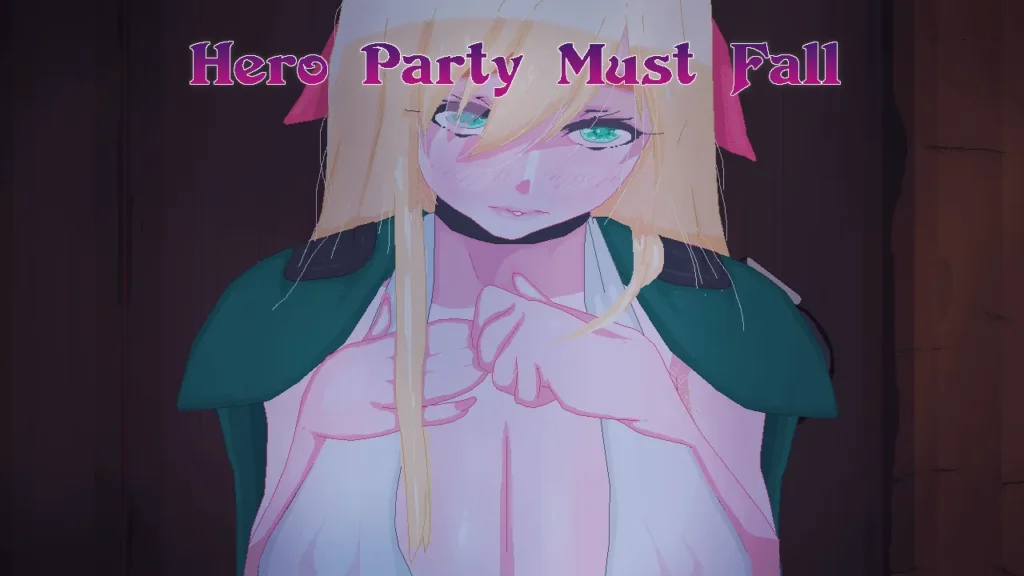
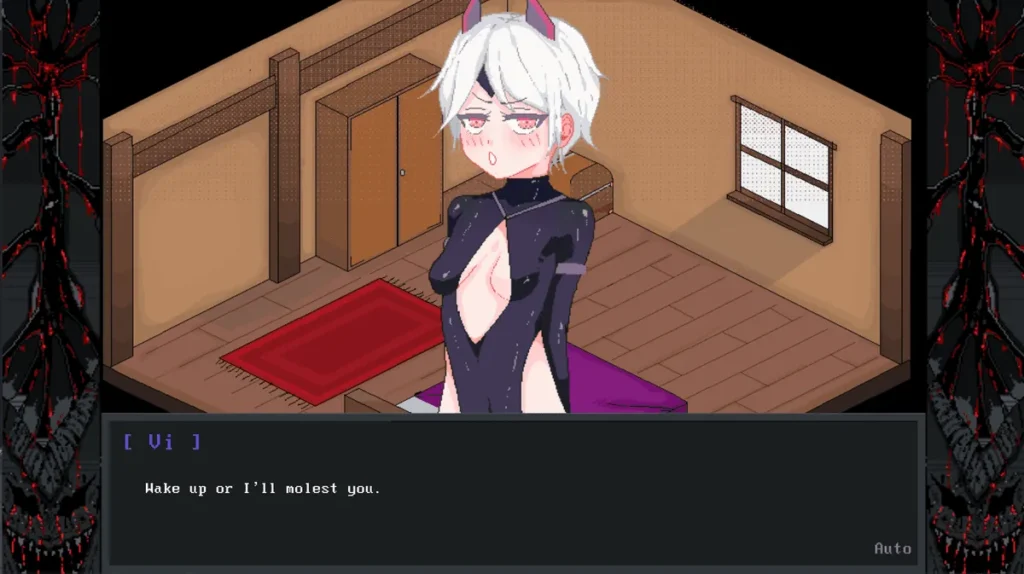
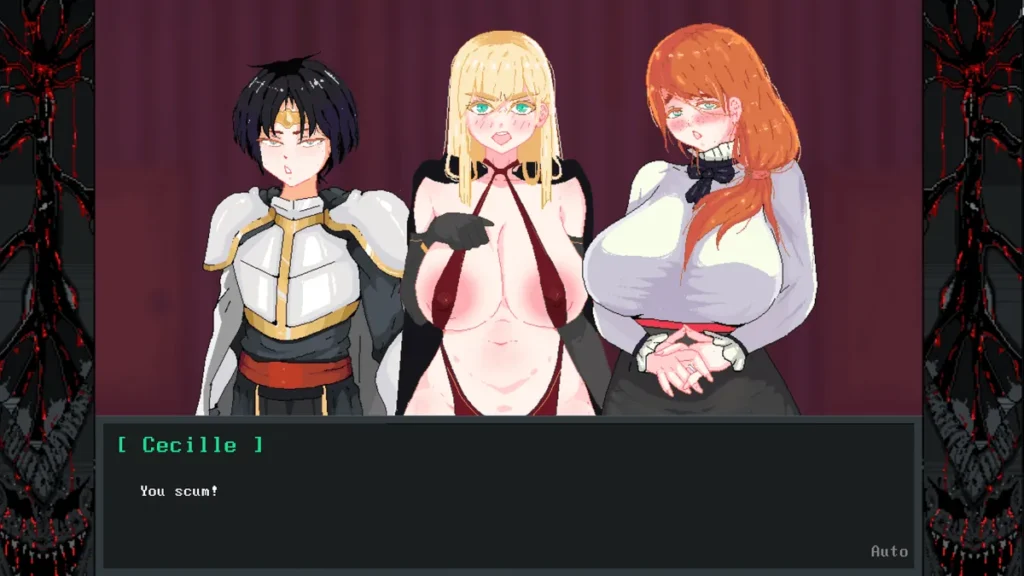
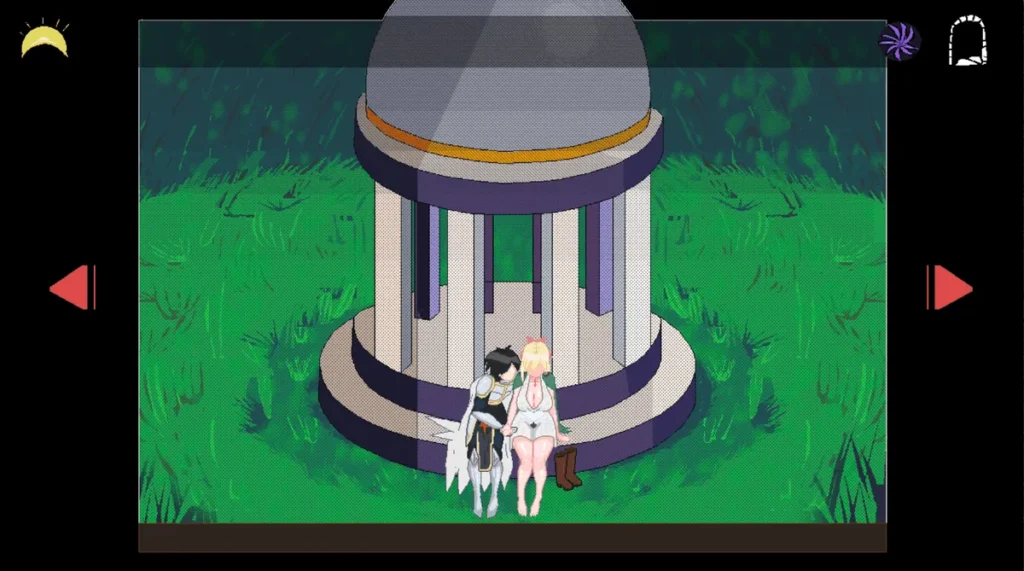
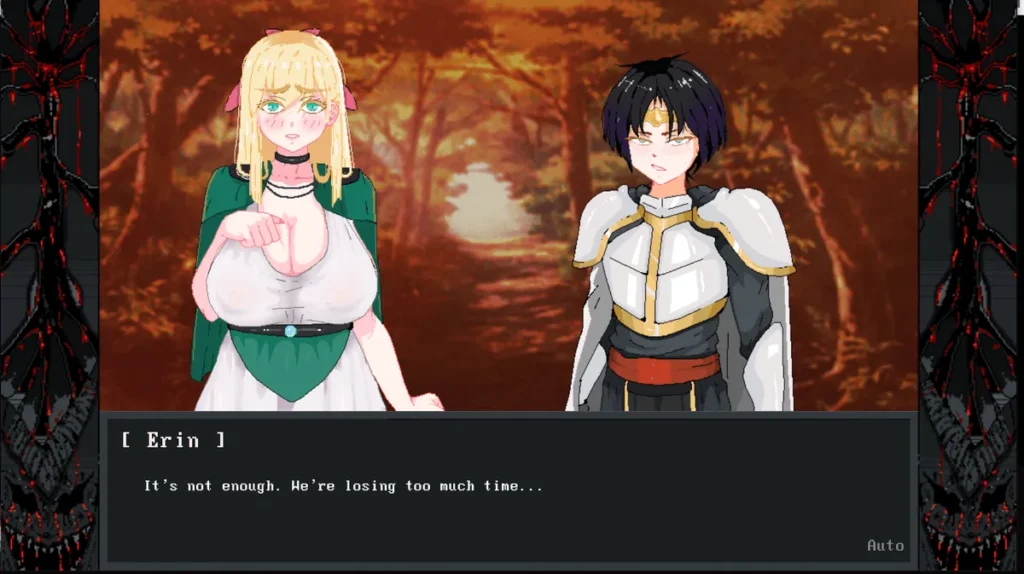
Hero Party Must Fall review
Explore gameplay mechanics, story elements, and strategic tips for this unique indie title
Hero Party Must Fall stands out as a distinctive indie game that flips traditional fantasy narratives on their head. Players assume the role of a spy infiltrated into the hero’s party with a mission to sabotage their efforts from within. This game combines strategic decision-making, character interaction, and narrative depth to create an experience that challenges conventional gaming expectations. Whether you’re interested in understanding the core gameplay loop, character dynamics, or strategic approaches to progression, this guide covers everything you need to know about this innovative title.
Understanding Hero Party Must Fall: Core Gameplay and Mechanics
Ever felt a bit bored with the same old hero’s journey? 😴 You know the drill: form a party, grind in dungeons, save the world. What if you could flip the entire script? That’s the deliciously devious premise at the heart of Hero Party Must Fall gameplay. You’re not the chosen one; you’re the secret weapon planted by the Demon King himself, tasked with destroying the legendary party from within. This isn’t about brute force; it’s about subtle manipulation, clever sabotage, and watching your carefully laid plans come to fruition. It’s a spy infiltration mechanics masterpiece wrapped in a charming indie RPG shell.
In my first playthrough, I made the classic newbie mistake. I thought my job was to just be bad at everything—letting monsters hit me, picking useless skills in battle. The party just thought I was an idiot and started leaving me behind on important missions! I quickly learned that Hero Party Must Fall is a game of brilliant contradiction. To break them, you must first become their most trusted ally. You need to succeed, to shine, to be the reliable one… so you have the perfect position to engineer their ultimate failure.
What Makes This Game Unique: The Spy Infiltration Concept
Forget everything you know about traditional RPG roles. In this Hero Party Must Fall guide, you are Agent Provocateur, Chief Saboteur, and Master Manipulator. Your character is a fully-fledged member of the “Hero’s” party, complete with a class, skills, and inventory. The brilliance of the spy infiltration mechanics lies in this seamless double life. Your public persona fights monsters, gathers loot, and shares campfire stories. Your true self plots, schemes, and looks for every tiny crack in the party’s foundation to pry it wide open.
The narrative hook is incredibly effective. Through letters from your demonic handler and your own internal monologue, the game constantly reminds you of your true purpose. Yet, as you spend time with these characters—learning their hopes, fears, and petty squabbles—you might feel a twinge of guilt. That emotional conflict is intentional and powerful. Do you grow fond of the naive, earnest warrior? Do you respect the clever, cautious mage? Hero Party Must Fall gameplay forces you to grapple with these relationships even as you work to undermine them. It’s a psychological layer rarely seen in the genre, making every act of sabotage a personal choice, not just a game objective.
The core of your work happens in two key spaces: the town (your workshop for mischief) and the dungeon (your proving ground and trap-setting arena). In town, you can “accidentally” sell the party’s rare loot for pennies, craft subtly flawed gear, or trade essential materials for junk. Every interaction is a potential vector for your character sabotage strategy.
Core Gameplay Loop: Sabotage, Rewards, and Progression Systems
The heartbeat of Hero Party Must Fall gameplay is a brilliantly designed cycle of preparation, action, and consequence. Your primary vehicle for both progress and sabotage is the dungeon dive system. Here’s how the loop typically flows:
- Prepare & Plot: 👑 You’re in town. You check the shop, manage the party’s shared inventory, craft potions and gear, and receive your secret objectives from the Demon King. This is where you plant the seeds. Maybe you craft a set of armor for the tank that looks great but has a hidden weakness to fire, or you “forget” to restock healing herbs.
- Dive & Decide: 🏹 The party heads into the dungeon. This is a classic turn-based RPG exploration and combat segment. Success here yields rewards for the party—gold, materials, and experience. Your job is to balance genuine contribution with orchestrated failure. Do you use your turn to “miss” a crucial attack? Do you position the mage so they’re exposed to an area attack? Every battle is a stage.
- Exploit Outcomes: 🎭 Whether the dive is a triumph or a disaster, you win. A successful dive fills the party coffers with resources you can later misappropriate or ruin. A failed dive—especially one you engineered—damages party morale, depletes their resources, and makes them doubt each other. Failure is often more valuable to your mission than success.
- Manage & Manipulate: 🔄 Back in town, you deal with the aftermath. You distribute loot (poorly), craft with the newly gathered crafting and materials, and engage in conversations that can soothe or inflame tensions. Then, the loop begins anew.
Pro Tip from a Seasoned Saboteur: Your first few dives should be nearly flawless. Build trust! Be the MVP. Once they rely on you, that’s when your “mistakes” will have the most devastating impact on party dynamics and relationships. A trusted ally failing hurts far more than a rookie screwing up.
To get you started on your path to glorious subterfuge, here’s a step-by-step progression guide:
- Initial Setup: Pay close attention to your class choice. A support class (like a healer or buffer) has unparalleled sabotage potential in battle. A vanguard class (like a warrior) can control positioning. Choose based on how you want to orchestrate chaos.
- First Dungeon Dive: Play it straight. Learn the combat mechanics, protect your allies, and secure a clear victory. Take mental notes on enemy types and which party members struggle against what.
- Equipment Acquisition: Volunteer to manage the loot. When crafting or purchasing gear, start introducing minor flaws. A sword that’s slightly less accurate, a robe with minuscule fire vulnerability. Small, cumulative setbacks are less likely to be detected.
- Early Sabotage Opportunities: Begin with resource sabotage. “Lose” a batch of healing potions by selling them. During a dive, “accidentally” use a powerful single-target spell on a near-defeated minion instead of the boss. Blame it on stress or a misclick.
Central to this loop are the crafting and materials systems. You’ll spend a lot of time at the workbench, and not to make the best gear. Crafting is your primary tool for systematic degradation. You can:
* Use subpar materials to create gear that will break under pressure.
* “Misplace” high-quality materials during the process, yielding weaker items.
* Create potions with reduced potency or unintended side effects.
The materials you gather from the dungeon dive system are the currency of both your advancement and their downfall. Trading them away for useless trinkets is a classic, and effective, tactic.
Character Interactions and Relationship Dynamics
The party isn’t just a collection of stats; they’re characters with personalities, backstories, and evolving relationships with each other—and with you. This is where Hero Party Must Fall truly shines. The party dynamics and relationships are a living system you can poison.
Each character has traits: the hero might be brave but proud, the mage intelligent but paranoid, the cleric compassionate but naive. Your interactions during training sessions, camp rests, and town dialogues directly influence your bond with them. A high bond means they trust you, listen to your advice, and may share secrets. This trust is your greatest weapon for a long-term character sabotage strategy.
For example, if the warrior trusts you completely, you can suggest a reckless, head-on strategy that plays to his pride but leaves the party vulnerable. If the mage sees you as a confidant, you can feed her paranoia about the cleric’s intentions. You’re not just breaking their equipment; you’re breaking their spirit and their trust in one another.
The game presents a compelling decision-making system during key events. You’ll often choose between Attack, Defense, and Support approaches, both in dialogue and in planning. These choices don’t just affect the immediate outcome; they shape how the party views the world and each other.
| Strategic Choice | Immediate Party Impact | Long-Term Sabotage Value | Effect on Morale |
|---|---|---|---|
| Attack (Aggressive, Confrontational) | High damage output, high risk. May lead to quick wins or catastrophic injuries. | Excellent for fostering recklessness and depleting healing resources. Encourages infighting if someone gets hurt. | Boosts morale on a win, crashes brutally on a loss. Creates a “win at all costs” mindset. |
| Defense (Cautious, Protective) | Slower progress, safer. Conserves resources but may miss opportunities. | Great for stalling progress and making the party overly cautious. Can be used to avoid securing key rewards. | Maintains steady, low morale. Prevents highs and lows, leading to frustration and boredom. |
| Support (Collaborative, Empowering) | Balanced approach, strengthens party synergies. | The most powerful for building trust. Use this to become indispensable, then betray that trust for maximum psychological damage later. | Gradually builds strong, unified morale. This makes the eventual collapse you engineer all the more devastating. |
As of the current version (0.5.6, August 2025), this relationship system is already rich but notably marked as unfinished. You can see the framework for something truly special—where your words could literally tear the party apart. Even in this state, managing these dynamics is crucial for effective Hero Party Must Fall gameplay.
The balance between the story-driven narrative and interactive spy infiltration mechanics is what creates such a memorable experience. You’re not watching a story about a spy; you are actively writing that story through every crafted item, every failed skill check you pretend was an accident, and every piece of malicious advice you give. The game provides the tools and the context, but the specific how of the party’s fall is entirely up to you.
Will you be a blunt instrument, causing obvious “accidents” until they catch on? Or will you be a subtle poison, weaving a web of mistrust and flawed decisions that leads them to blame each other for their inevitable demise? In Hero Party Must Fall, the journey to failure is packed with more strategic depth and narrative tension than most games’ journeys to victory. Your mission is clear, Commander. Infiltrate, integrate, and eradicate. The Demon King is counting on you. 👿✨
Hero Party Must Fall delivers a refreshingly original take on fantasy gaming by inverting player expectations and moral frameworks. The game excels in narrative depth and character personality, offering players a genuinely engaging story that justifies the unconventional premise. While gameplay mechanics remain under development with some elements still incomplete, the foundation is solid and the strategic decision-making creates meaningful consequences. The training system and character interaction mechanics provide multiple avenues for progression and relationship manipulation. For players seeking a story-driven experience with unique mechanics and compelling character development, Hero Party Must Fall offers something distinctly different from mainstream titles. As the game continues development toward completion, it promises to refine its gameplay systems while maintaining the narrative excellence that currently defines it. Whether you’re drawn to indie games, narrative-focused experiences, or strategic gameplay, this title warrants exploration and engagement with its community.