Now & Then
Play Now & Then
Now & Then Screenshots
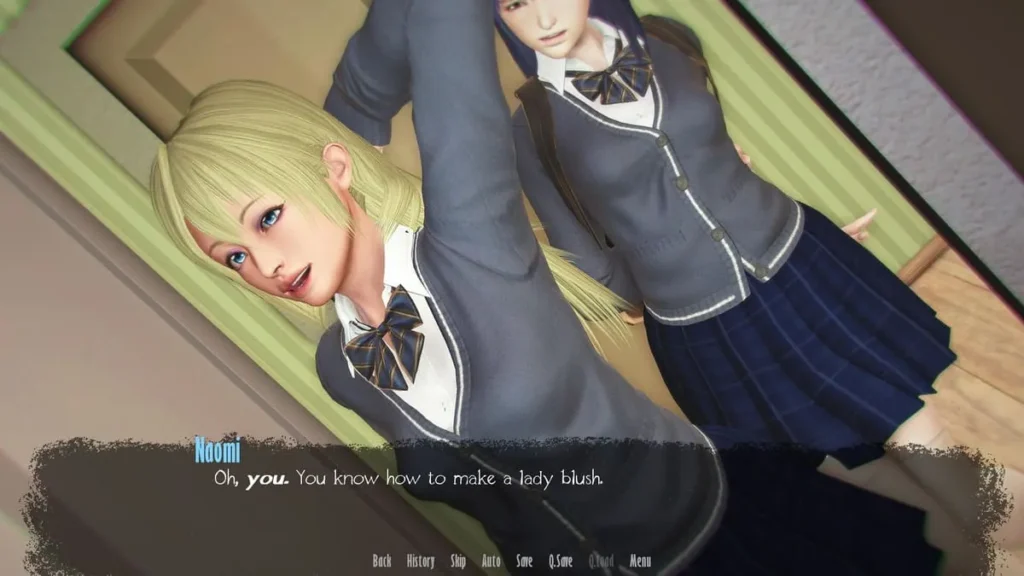
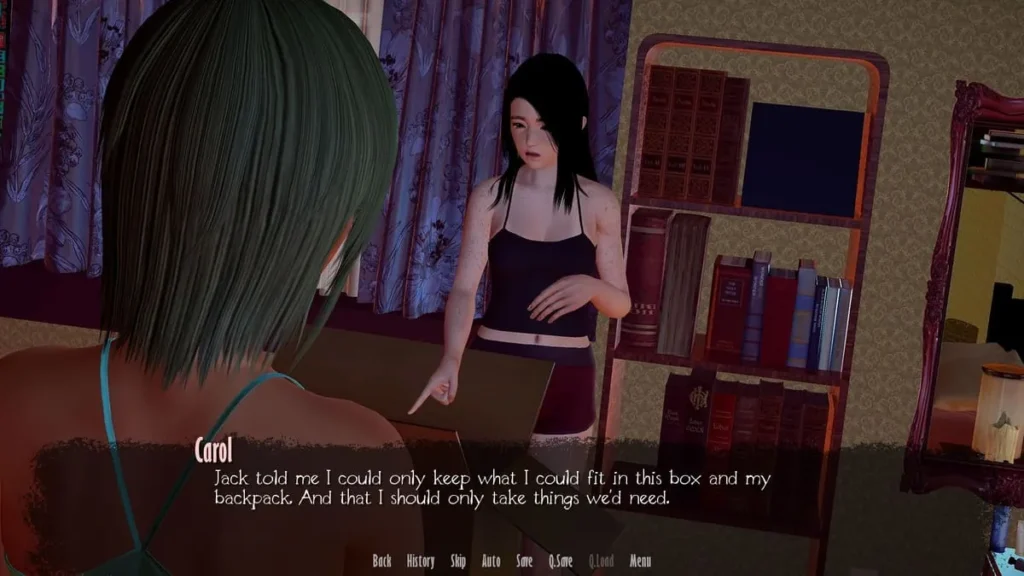
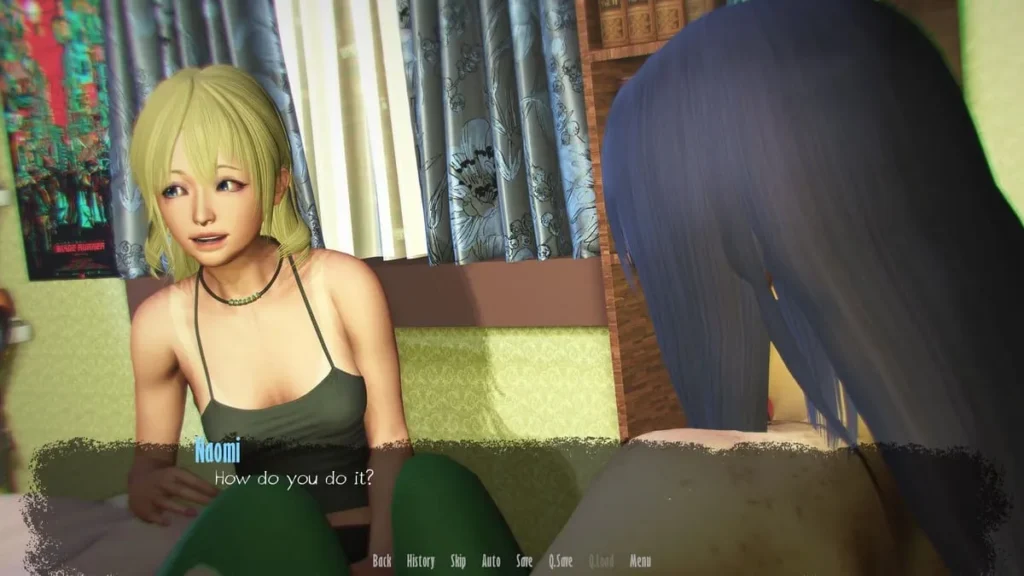
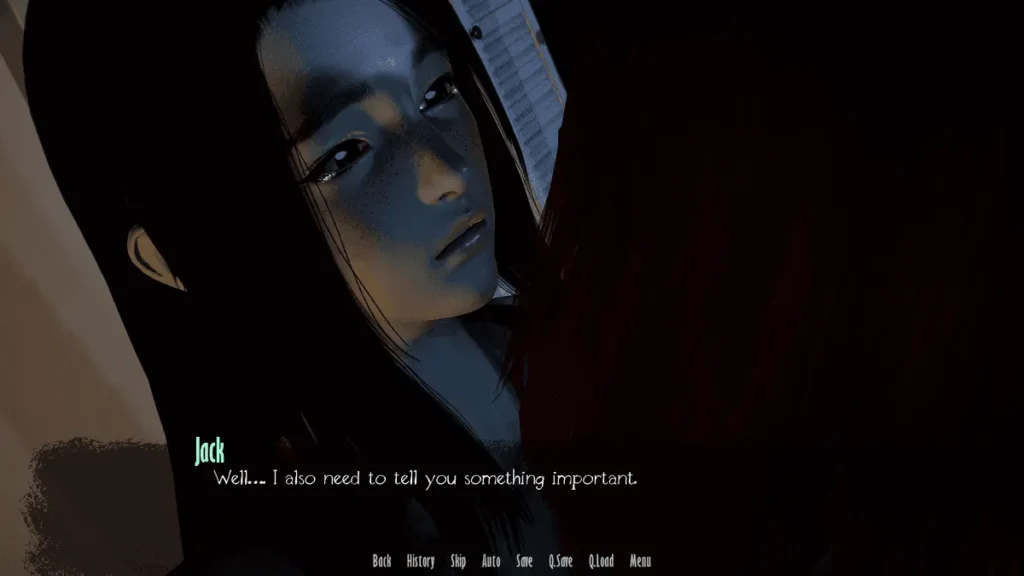
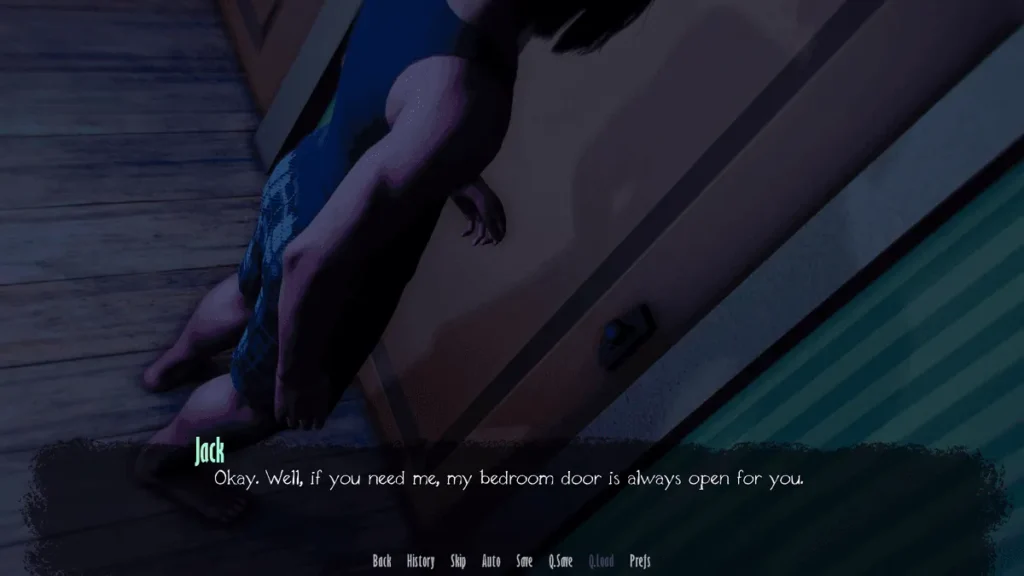

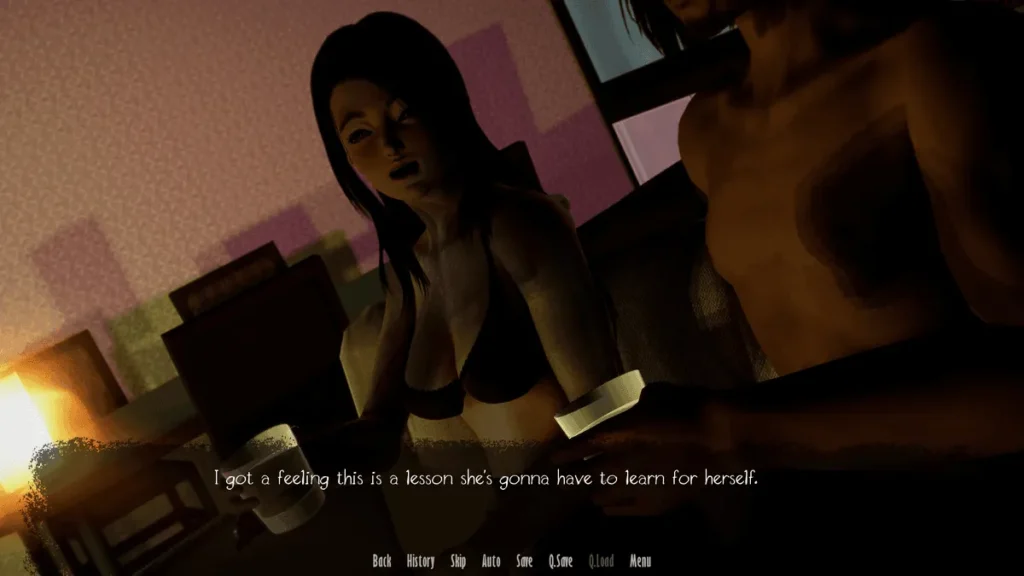

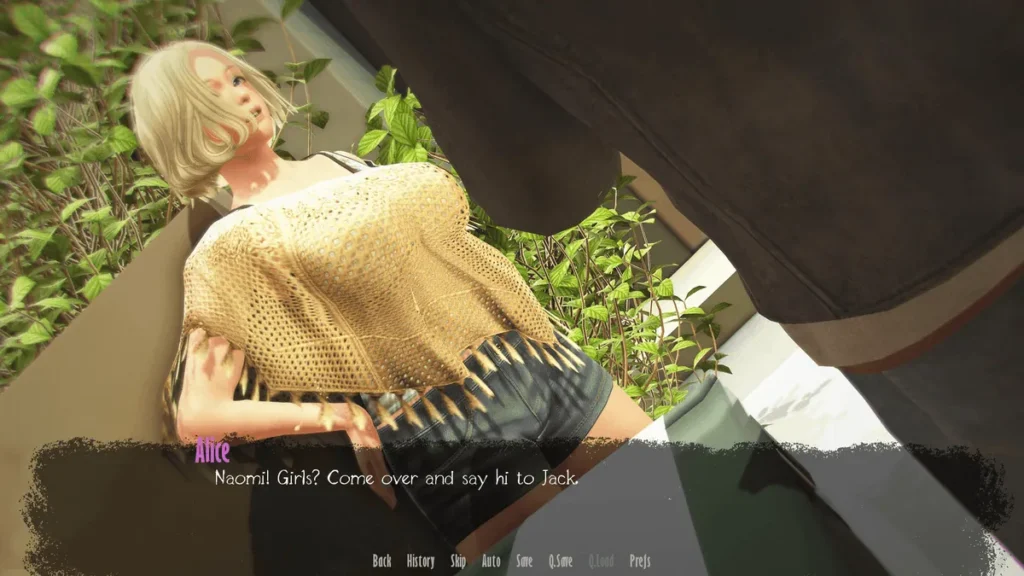
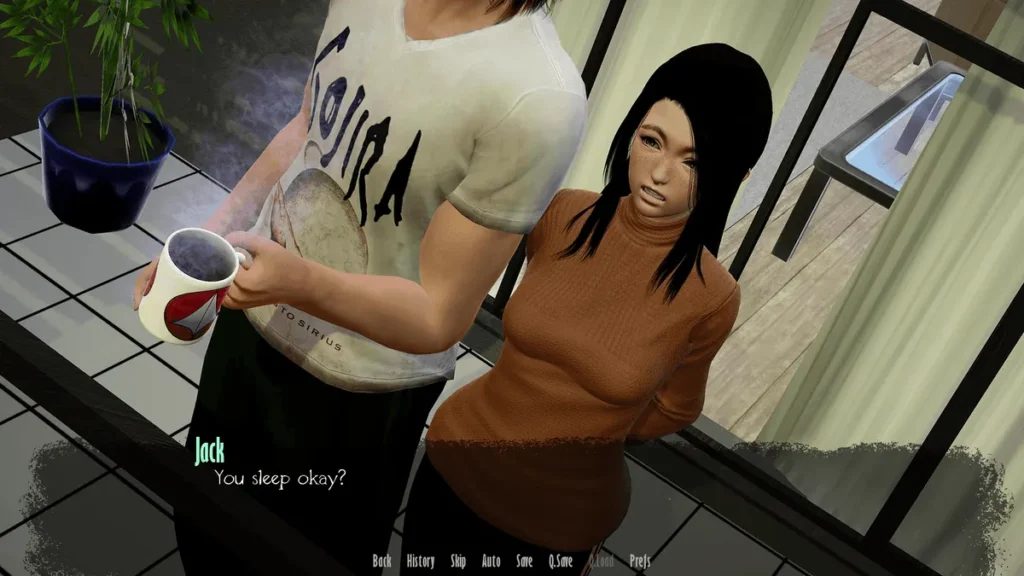
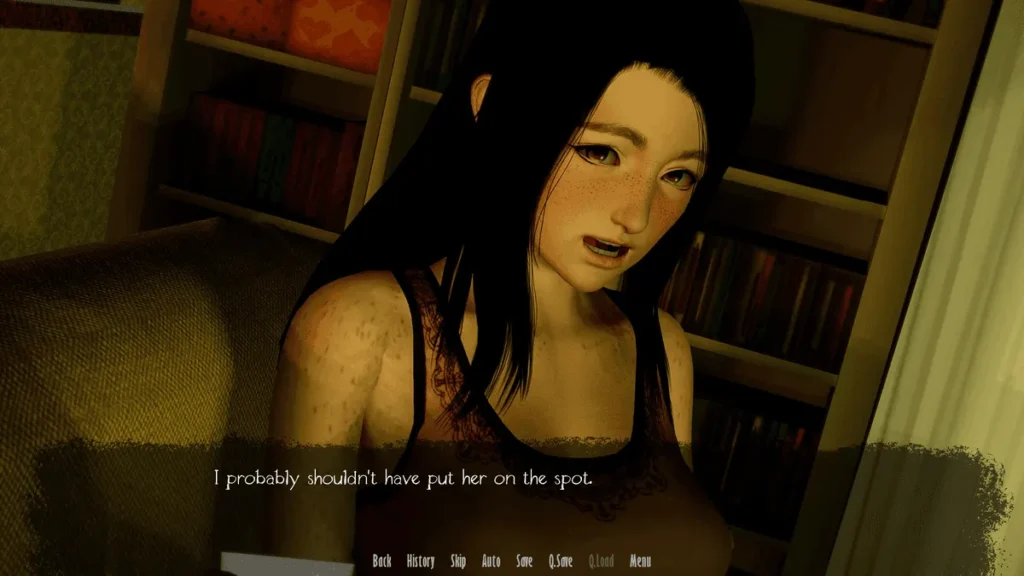
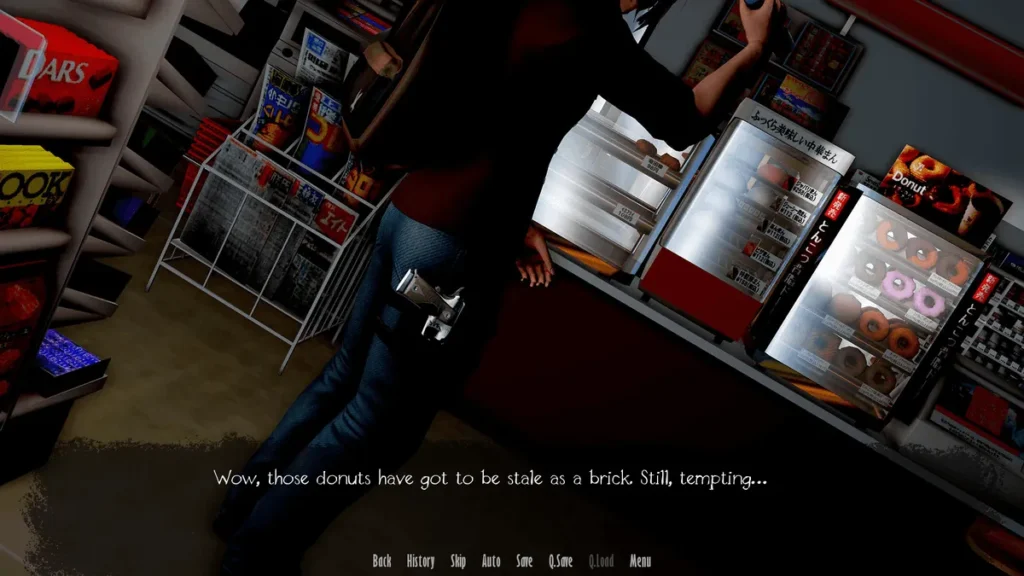
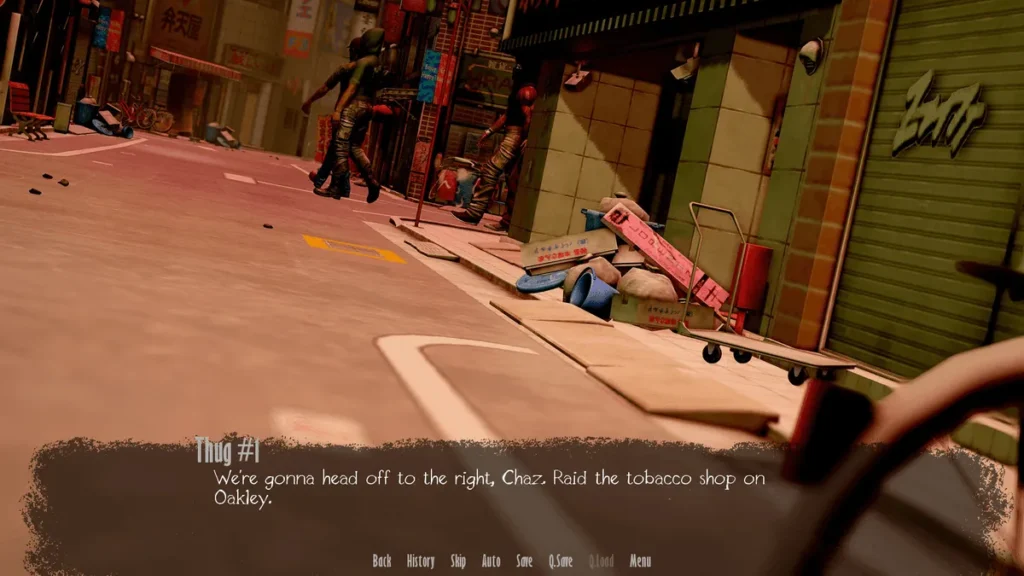
Now & Then review
Master storylines, character relationships, and unlockable content in this narrative-driven experience
Now & Then stands out as a complex narrative-driven experience with multiple branching storylines and character-driven gameplay. This guide explores the game’s intricate relationship system, character paths including Naomi, Sydney, Alice, and Carol, and how your choices shape the narrative outcome. Whether you’re navigating the challenging stat system, unlocking hidden scenes, or discovering all available endings, understanding the game’s mechanics is essential for a complete playthrough. Learn how to maximize your experience and access all the content this expansive game offers.
Understanding Now & Then Game Mechanics & Character Relationships
Ever feel like you’re just clicking through dialogue in a visual novel, waiting for the story to happen to you? 🙄 I’ve been there. You make a choice, the scene shifts, but it never quite feels like your story. That was me, until I booted up Now & Then. I quickly realized this wasn’t a passive read—it was a narrative battlefield where every word mattered, and my early, casual decisions came back to haunt me in spectacular fashion. 😅
The magic—and the madness—of this experience lies entirely in its intricate systems. To truly master the emotional journeys of Naomi, Sydney, Alice, and Carol, you need to understand the engine under the hood. This guide will break down the core Now & Then game mechanics, transforming you from a confused observer to a strategic storyteller. Let’s dive in.
How the Branching Choice System Works
At its heart, Now & Then is a web of consequences. Unlike games where choices are isolated events, here, every dialogue option, every action, is logged into a sophisticated game decision tracking system. Think of it less as picking a path and more as programming a personality—yours and those of the characters around you.
The game doesn’t just have a few major forks in the road; it’s constantly branching at a microscopic level. A seemingly innocent comment during a coffee shop meet-up can subtly alter a character’s perception of you, closing off a tender moment that might have occurred three chapters later. This is the essence of Now & Then branching choices. The narrative tree is so dense that two playthroughs can feel like entirely different stories.
What makes it truly strategic is the lack of a “right” answer. You’re not choosing between “Good” and “Evil.” You’re choosing between “Honest” and “Protective,” or “Ambitious” and “Supportive.” These shades of gray define your relationships. The system remembers everything, creating a unique fingerprint for your playthrough.
My First Hard Lesson: In my initial run, I tried to be a universal people-pleaser with Sydney and Alice. I agreed with Sydney’s cynical take on a project, then later echoed Alice’s optimistic view of the same thing. The game didn’t forget. Later, both confronted me about my “flip-flopping,” and a crucial scene where I needed their united support simply collapsed. The game decision tracking had caught me in a lie I didn’t even realize I was telling. 🤦♂️
FAQ: Common Questions on Branching Paths
-
Q: Can I lock myself out of a character’s path permanently?
A: Absolutely, and often earlier than you think. Certain Now & Then branching choices, especially in key character-defining moments, act as gates. Miss a crucial, often time-sensitive opportunity to show support or understanding, and that path may fade away, leaving you to deal with the relationship stat penalties. -
Q: Is there a way to see the choice impact or my current stats?
A: No, and that’s intentional. Now & Then thrives on uncertainty and emotional realism. You won’t find a handy “+1 Love” pop-up. You have to read the room—the characters’ expressions, the tone of their replies, and the changing dynamics in group scenes are your only UI. -
Q: Should I save scum (reload saves to test choices)?
A: While tempting, I recommend against it on a first playthrough. The weight of your decisions, and the authentic surprise at their outcomes, is a core part of the experience. Save your experimentation for a dedicated second run!
Character Relationship Stats and Love Mechanics
Here’s where the rubber meets the road: the invisible character relationship stats system. Imagine a scale for each main character, with “Love” (or deep affinity/trust) on one end and “Conflict” (or distance/mistrust) on the other. Every significant interaction moves the needle.
But here’s the brilliant, painful twist: the scales are connected. This is the core of the love and conflict mechanics. Often, choosing to grow closer to one person means inadvertently creating distance with another. It’s a narrative teeter-totter.
Let’s say you’re with Sydney and Alice. Sydney suggests skipping a tedious obligation to work on a passionate, risky idea. Alice argues for responsibility and following the rules.
* Choosing “Sydney’s right, let’s take the risk” might give a +1 to your bond with Sydney (moving toward Love) but a -1 with Alice (moving toward Conflict).
* Choosing “Alice has a point, we should be careful” does the opposite.
This isn’t just about who “likes” you more. These relationship stat penalties and bonuses have tangible effects. High Conflict with a character might lead to them withholding vital information, openly challenging you in front of others, or refusing to help at a critical juncture. High Love unlocks intimate, vulnerable conversations, unique support in challenges, and of course, the potential for romance.
Managing these stats isn’t about balance—it’s about intention. You cannot max out everyone. You must decide whose values align with your protagonist’s journey and accept the relationship stat penalties that come with that commitment. The love and conflict mechanics force you to role-play consistently, creating a far more authentic and personal story.
Navigating Multiple Storyline Paths
So, you understand the branching web and the delicate stat scales. Now, how do you actually walk a single path through this beautiful chaos? This is the art of multiple storyline navigation. The four primary Now & Then character paths—Naomi, Sydney, Alice, and Carol—represent not just romance options, but entire philosophical approaches to the game’s central mysteries and conflicts.
Committing to a path means aligning your choices with that character’s core worldview. It requires keen attention to their personality and a willingness to sometimes make suboptimal social choices with others to stay true to your chosen partner.
Below is a breakdown of the core paths to help you plan your approach:
| Character | Relationship Type & Core Value | Key Early Decision Points | Stat Mechanics Insight |
|---|---|---|---|
| Naomi | The Grounded Confidante. Values honesty, stability, and direct communication. | You have VERY limited chances to initiate deep conversation. Hesitation or choosing “safer” small talk options can close her path early. You must be courageously open. | Her path is a slow burn. Choices that build trust are small but cumulative. Conflict arises from evasion or dishonesty. |
| Sydney | The Passionate Maverick. Values ambition, creativity, and challenging the status quo. | Early on, you must choose between supporting their unconventional idea or siding with the group’s caution. Playing it safe is a quick path to Conflict. | High-risk, high-reward. Choices that please Sydney often create immediate Conflict with more conventional characters like Alice. |
| Alice | The Principled Idealist. Values ethics, structure, and collective well-being. | When a moral gray area emerges, you must choose between pragmatic compromise (which she sees as weakness) or sticking to principles. | Her Love stat is built on consistent ethical alignment. “For the greater good” justifications often trigger stat penalties with her. |
| Carol | The Enigmatic Wildcard. Values mystery, intuition, and uncovering hidden truths. | Her path is hidden behind curiosity. You must exhaust “Ask about…” dialogue options about the game’s lore and her past when others would change the subject. | Interaction is less about love/conflict and more about “Trust” vs. “Skepticism.” Showing genuine belief in her theories is key. |
My practical advice for multiple storyline navigation? Don’t try to navigate them all at once on your first try. 🤯
Playthrough Strategy 1: The Dedicated Run
Pick the character whose vibe resonates with you immediately. Make every major decision as if you were them. Embrace the relationship stat penalties with other characters as part of your story. This yields the most coherent and deeply emotional arc.
Playthrough Strategy 2: The Explorer Run
After a dedicated run, start anew with a specific, different character in mind. Use your knowledge of key branching points to make different choices. This is where you’ll truly appreciate the scale of the Now & Then branching choices and see how early decisions ripple outward.
Playthrough Strategy 3: The “What If?” Disaster Run
This is just for fun. Try to please everyone equally, or actively make chaotic choices. Watch as the love and conflict mechanics spin into chaos, relationships crumble, and the story becomes a masterpiece of dramatic irony and interpersonal fallout. It’s surprisingly educational!
Remember, the Now & Then character paths are not just endings to be unlocked; they are lenses through which the entire narrative is filtered. Understanding the interconnected character relationship stats system is your key to moving from passive player to active author. Your choices aren’t just remembered—they define the very world you’re exploring. Now go on, and shape your story.
Now & Then offers a richly layered experience with its complex relationship system, branching narratives, and extensive unlockable content. Understanding the mechanics behind character stat management, relationship choices, and scene requirements allows you to craft your ideal playthrough. Whether you’re pursuing specific character paths, hunting for hidden scenes, or waiting for the final version with its complete unlock features, knowing how the game’s systems work transforms your experience from frustrating to rewarding. Take time to plan your approach, save strategically at key points, and don’t hesitate to consult community resources when navigating the game’s intricate choice system. Your journey through Now & Then becomes far more enjoyable when you understand the mechanics driving each decision.