SWe1: The Warrior’s Heart
Play SWe1: The Warrior’s Heart
SWe1: The Warrior’s Heart Screenshots







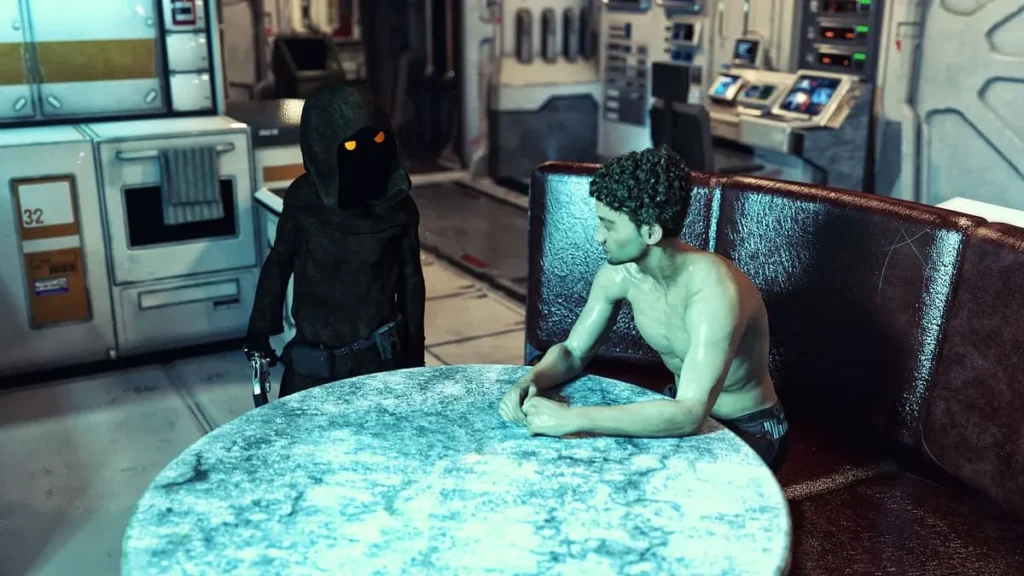

SWe1: The Warrior’s Heart review
Explore the immersive sci-fi adventure with branching narratives and strategic gameplay
SWe1: The Warrior’s Heart stands as a distinctive interactive experience that blends science fiction storytelling with player-driven narratives. This visual novel transports you into a richly detailed universe inspired by classic space opera themes, where your decisions shape the outcome of an epic adventure. Whether you’re drawn to the intricate plot development, the relationship systems, or the tactical decision-making elements, this game offers multiple layers of engagement. The experience combines stunning visuals with compelling character interactions, creating an immersive journey that keeps players invested for hours. Understanding the game’s core mechanics and narrative structure can enhance your appreciation of what makes this title unique in the interactive entertainment landscape.
Understanding the Core Gameplay and Narrative Structure
Ever booted up a game, played for hours, and realized your actions didn’t really matter? 😮 You chose the snarky dialogue, you saved that one character, but the story railroaded you to the same old ending anyway. It’s a common letdown. But what if a game remembered everything? Every whispered secret, every broken promise, every moment of kindness or cruelty?
Welcome to the heart of SWe1: The Warrior’s Heart. This isn’t just a sci-fi adventure you play; it’s a universe you write with every decision. The game’s soul is its branching narrative gameplay, a living, breathing story engine where no two journeys are the same. Forget “good” or “evil” karma meters—here, your choices weave a complex tapestry of consequences, alliances, and destinies. This guide will dive deep into the core mechanics that make this interactive visual novel experience so profoundly unique, showing you how to become the true author of your cosmic saga. ✍️
How Choices Shape Your Adventure in SWe1
At its core, SWe1: The Warrior’s Heart is built on a philosophy of meaningful agency. The choice-based storytelling mechanics here are not cosmetic; they are structural. From the moment you assume the role of the Commander, you are placed at the center of a delicate political and personal web. Every dialogue selection, every mission priority, and every spare moment you spend with your crew is a brushstroke on your narrative canvas.
Think of it like this: the game features a dynamic consequence engine that tracks hundreds of variables. Did you spare a surrendering enemy scout? That scout might later provide crucial intelligence, or their faction might see your mercy as weakness and attack with greater force. Did you divert resources to save a doomed colony instead of chasing a fleeing warlord? The warlord’s future power, and the gratitude (or expectations) of that colony, become permanent threads in your story.
This is where dialogue options impact gameplay in the most direct way. A casual chat in the ship’s galley isn’t just flavor text. For instance, early on, you might discuss battle tactics with your cynical engineer, Kael. Dismissing his unconventional ideas might shut down that conversation tree. But engaging with him, even arguing passionately, could later unlock a special ship module he’s been tinkering with—a module that turns the tide in a seemingly impossible space battle. The game constantly blurs the line between “story” and “gameplay.” Your social skills are as vital as your tactical ones.
This depth ensures the promise of multiple endings based on choices is genuine. Your ending isn’t determined by one final decision, but by the cumulative weight of hundreds of smaller ones. Will you unite the fractured systems under a banner of peace, rule through fear and strength, or watch it all burn from the bridge of your lonely ship? The path is entirely yours. The branching narrative gameplay means that on a second playthrough, choosing different dialogue options in the first hour can send you down a story branch with completely new characters and locations by the mid-game. It’s not an illusion of choice; it’s a symphony of possibilities.
The Relationship System and Character Development
If the choices are the branches of your story, the relationships are the roots. The relationship system character interactions in SWe1: The Warrior’s Heart are arguably its most sophisticated and rewarding element. Your crew isn’t a collection of quest-givers; they are complex individuals with loyalties, traumas, ambitions, and their own hidden agendas. Every interaction builds trust, rivalry, respect, or disdain.
Here’s a personal story from my playthrough: I initially found Commander Val, my stoic second-in-command, to be rigid and off-putting. 🧊 During a mission, she advocated for a brutal, efficient strike that would cause civilian collateral damage. I chose a different, riskier path from the dialogue options, one that aligned more with the compassionate doctor on my crew. Val openly disagreed, and our trust meter dipped. Later, during a private moment on the observation deck, new dialogue unlocked because of that conflict. I confronted her about her past, and she revealed a tragedy that shaped her “win-at-all-costs” philosophy. That moment of vulnerability, earned through prior conflict, didn’t just repair our relationship—it transformed it. She became my most fiercely loyal ally, and it unlocked a unique coordinated attack ability for our squad.
This system works on multiple levels:
- Narrative Depth: Bonding scenes reveal backstories, motivations, and secrets that change how you view the main plot.
- Gameplay Advantages: High trust with a character can unlock special abilities in combat, provide unique mission Intel, or grant access to exclusive gear.
- Plot Divergence: Romance isn’t just a side-quest. Pursuing a relationship can open entirely new story missions, create devastating conflicts of interest, and significantly alter which ending scenarios are available to you. Ignoring your crew’s personal quests can lead to mutiny or abandonment at a critical juncture.
The interactive visual novel experience shines brightest here. You’re not watching relationships unfold; you’re actively cultivating or damaging them through your choice-based storytelling mechanics. Do you share a vulnerable memory to build rapport, or maintain a professional distance? Do you side with one crew member in an argument, alienating another? The game remembers, and the story bends accordingly.
To visualize how these core systems work together to create your unique experience, let’s break it down:
| Gameplay Element | What It Is | What It Means For You |
|---|---|---|
| Branching Narrative | A story structure where player decisions create permanent forks in the plot, leading to unique scenes, missions, and outcomes. | Your playthrough is truly your own. Replayability is sky-high, as new choices reveal vast, hidden sections of the game world and story. 🗺️ |
| Relationship System | A dynamic system tracking your standing with each character, influenced by dialogue, decisions, and quests, unlocking narrative and mechanical rewards. | Characters feel real and reactive. Investing time in your crew yields tangible story payoffs and gameplay power, making every conversation meaningful. 🤝 |
| Tactical Decision-Making | Strategic choices made on the command map that affect resource distribution, faction standing, and the geopolitical landscape. | You’re not just a soldier; you’re a commander. Your strategic mind is constantly tested, with consequences that reshape the entire sector. ♟️ |
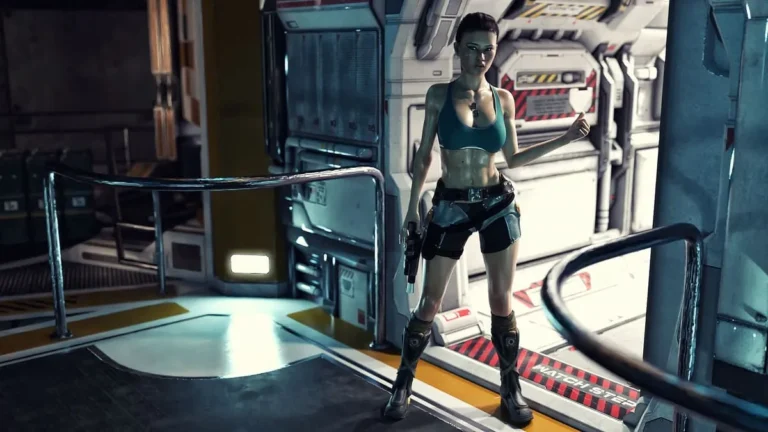
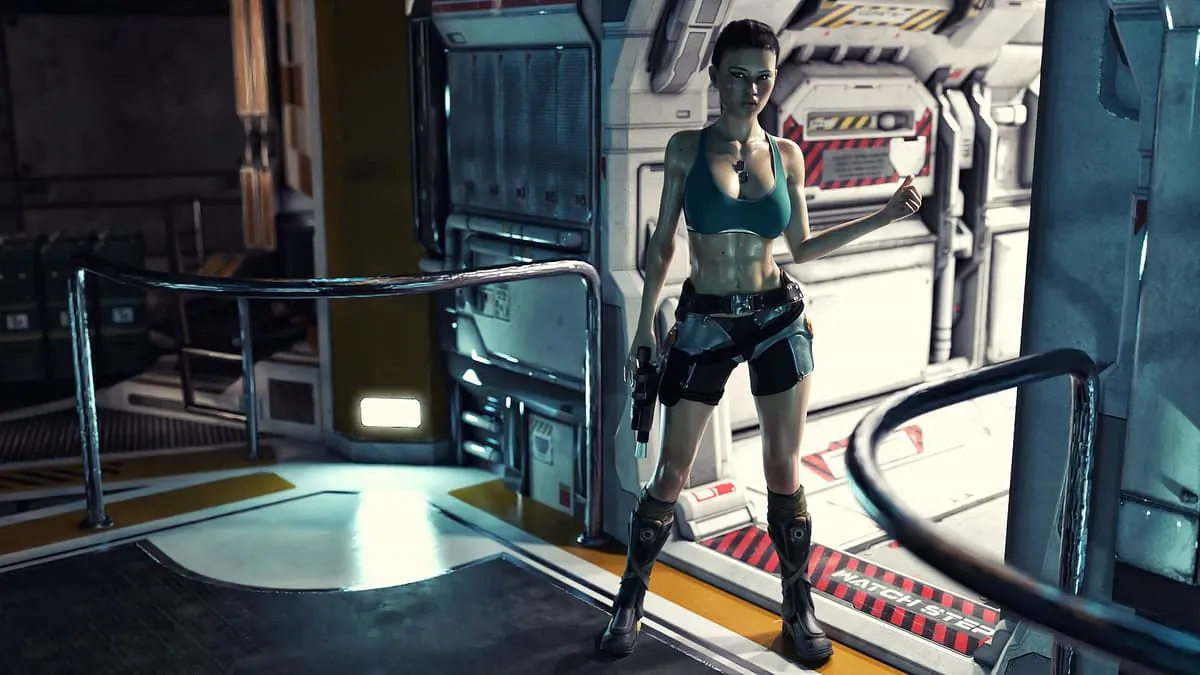
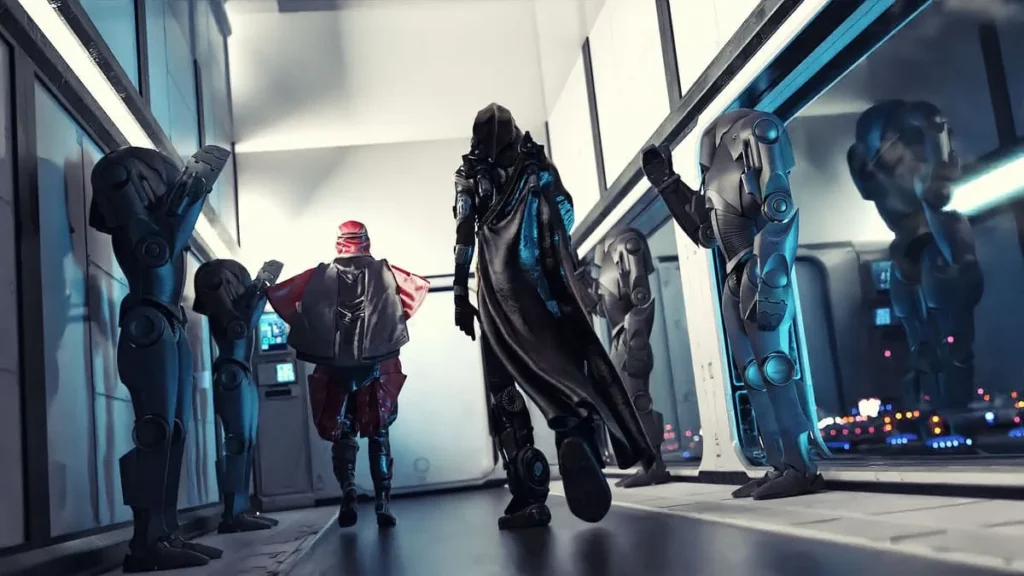
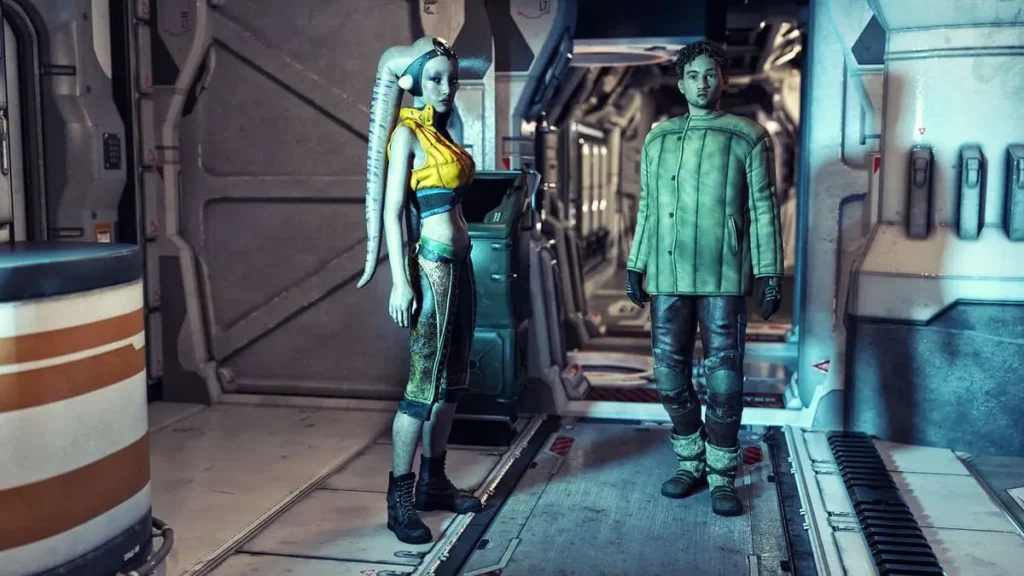
| Visual Art Style | A blend of detailed character portraits, dynamic comic-book-style panels, and evocative environment art that reacts to story beats. | The world feels alive and responsive. Key emotional moments are highlighted with stunning, bespoke artwork that reflects your unique story. 🎨 |
Tactical Decision-Making Beyond Dialogue
While conversations build your world, command decisions define it. The tactical decision-making consequences in SWe1: The Warrior’s Heart extend far beyond the dialogue wheel. This is where you step from being a protagonist into the role of a galactic strategist. The war room is your second home, and the choices you make there have ripple effects that can be felt across star systems.
This isn’t about choosing which mission to do first for the best loot. It’s about managing scarce resources, navigating fragile alliances between three major factions, and deciding the fate of entire populations. Do you send your only medical frigate to contain a plague on a neutral planet, earning their gratitude but leaving your own fleet vulnerable? Or do you secure a resource-rich asteroid belt for your faction’s war effort, angering the miners who live there? These are weighty, tactical decision-making consequences with no “right” answer, only different shades of outcome.
Let’s look at a specific, spoiler-light example from the infamous ‘Ash and Embers’ mission arc. You are tasked with infiltrating a hedonistic fortress-world to gain the favor of a reclusive arms dealer. The mission presents itself as a social stealth challenge, a web of parties and conversations.
Tip: In missions like ‘Ash and Embers,’ the game often hides its most strategic layers beneath social intrigue. Pay attention to what characters want, not just what they say.
During a key scene, you have the option to engage in a seduction scenario with a key noble. The dialogue options impact gameplay here dramatically:
* Option A focuses on genuine charm and shared interests, slowly building trust.
* Option B involves lavish promises of power and alliance, appealing to their ambition.
* Option C is a more direct, transactional approach, leveraging blackmail information you’ve uncovered.
Choosing A might result in the noble becoming a genuine, if cautious, ally who gifts you access to the fortress’s security codes. Choosing B might make them an enthusiastic partner who triggers a riot in a rival city as a distraction, causing widespread chaos you’ll have to deal with later. Choosing C could secure their compliance through fear, but they might betray you at the worst possible moment, leading to a completely different, more combat-heavy finale for the mission.
See how that works? A single conversational gambit spirals out into vastly different tactical decision-making consequences. The “seduction” isn’t the goal; it’s the method. The real choice is about what kind of chaos or order you’re willing to leverage to win, and what debts you’re willing to incur. This mission alone can butterfly-effect into at least three different states for that entire region of space in the game’s final act.
This is the brilliance of SWe1: The Warrior’s Heart. The branching narrative gameplay and choice-based storytelling mechanics are not confined to cutscenes. They are the very fabric of command. Every allocation of fuel, every intercepted transmission, and every granted or denied request from a faction is logged by the game’s consequence engine. Ignore a faction’s plea for help one too many times, and they may close their borders to you, locking you out of their technology tree and related story missions. Assist them generously, and you might find your ship surrounded by their allies in a final, desperate battle.
By weaving together relationship system character interactions with large-scale tactical decision-making consequences, the game creates an unprecedented sense of holistic ownership. The ally you comforted in a moment of grief is the same one who pilots the fighter squadron that secures the victory your strategic planning made possible. Your story feels cohesive, personal, and powerfully earned. This is the ultimate promise of its interactive visual novel experience: you are not just along for the ride. You are holding the pen, the map, and the sword, forever shaping the legacy of The Warrior’s Heart.
SWe1: The Warrior’s Heart delivers a sophisticated gaming experience that prioritizes player agency and narrative consequence. The game’s strength lies in its seamless integration of branching storylines, relationship mechanics, and tactical gameplay elements that work together to create a truly personalized adventure. From the moment you begin your journey as a soldier navigating a galaxy on the brink of war, every decision—whether in dialogue, romance, or strategy—carries genuine weight and shapes your unique narrative path. The combination of stunning visuals, compelling character development, and meaningful choices creates an experience that resonates long after the credits roll. If you’re seeking an interactive adventure where your choices genuinely matter and where multiple playthroughs reveal entirely different stories, SWe1: The Warrior’s Heart offers exactly that level of depth and engagement.