
Play Sylphine
Sylphine Screenshots


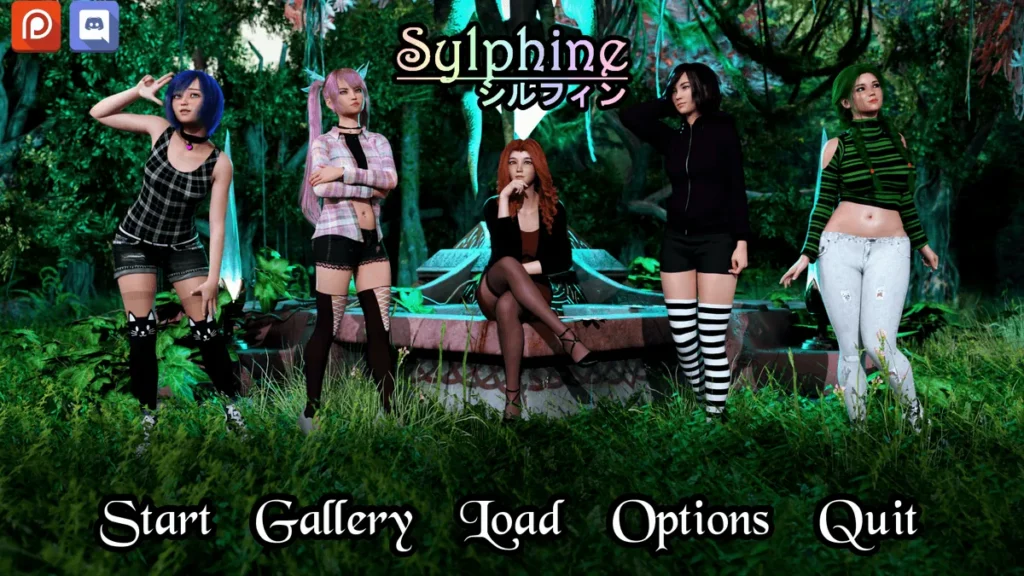












Sylphine review
Explore storytelling, character relationships, and gameplay mechanics in this sandbox adventure
Sylphine stands out as a distinctive sandbox visual novel that seamlessly blends interactive storytelling with meaningful player choices. This game combines adult content, drama, and comedy into an immersive experience where your decisions genuinely shape the narrative. Whether you’re new to visual novels or a seasoned player, understanding Sylphine’s core mechanics, character dynamics, and branching storylines will help you maximize your gaming experience. From the moment you move in with Alex and her household of unique characters, you’ll discover that nothing in this world is quite as it seems.
Understanding Sylphine’s Core Gameplay Mechanics
Ever felt like you’re just along for the ride in a story? 😕 You pick the “nice” option, get the good ending, and call it a day. It can feel a bit… predictable. Well, forget everything you think you know about visual novels. Sylphine gameplay mechanics are here to flip the script. This isn’t a guided tour; it’s a living, breathing world where every whisper, every glance, and every decision you make sends ripples through the entire narrative ocean. The core of this experience is a profound choice and consequence system that makes you the true author of your tale.
Think of it less like picking a path on a map and more like painting on a canvas where every stroke of color permanently alters the final picture. There are no “right” answers, only your answers. And the game remembers everything. This guide will pull back the curtain on how these systems work in harmony, turning the sandbox visual novel gameplay into a deeply personal adventure. Let’s dive in.
How Choice and Consequence Systems Work in Sylphine
So, how does Sylphine choice system work? It’s the engine under the hood, and it’s far more sophisticated than a simple good/evil slider. Forget binary decisions. In Sylphine, choices are nuanced, layered, and often have delayed effects. You might say something seemingly innocuous in Chapter 1 that comes back to either haunt you or help you in Chapter 4. The game’s memory is impeccable.
I learned this the hard way. Early on, I met a character, Lyra, who was fiercely arguing with a merchant over a seemingly overpriced trinket. My options weren’t just “Side with Lyra” or “Side with the Merchant.” I could:
* Defuse the situation with humor.
* Question Lyra’s expertise publicly.
* Privately suggest to the merchant that the item might be counterfeit.
* Simply walk away and ignore the conflict.
I chose to defuse with humor, thinking I was being the peacekeeper. Lyra laughed it off, and the merchant relaxed. Great, right? Fast forward ten hours. I needed a crucial favor from that same merchant. Because I had undermined the serious nature of her original complaint by making a joke, she remembered me as someone who didn’t take her passion seriously. She refused to help. That single, off-hand dialogue choice had quietly closed a door much later in the visual novel branching storyline.
Pro Tip: There is no “reload and pick the other option” mentality here. Embrace your decisions. The most fascinating stories in Sylphine often come from dealing with the unintended fallout of a choice you made with the best intentions. 🎭
This is the essence of the Sylphine dialogue choices impact. It’s not about points; it’s about perception and narrative cause-and-effect. Major plot decisions can obviously redirect the story’s spine, but it’s the small, everyday interactions that truly define your relationships and open up (or seal shut) hidden side stories and secrets. Want to access a character’s hidden backstory mission? It might require you to have consistently chosen empathetic options with them, but also to have stood up to a bully in Act 2. The choice and consequence system is a web, not a ladder.
| Gameplay Feature | Direct Narrative Impact | Player Experience |
|---|---|---|
| Dialogue Choices | Alters character affinity, unlocks unique responses, and can trigger hidden flags for future events. A sarcastic remark may amuse one character while deeply offending another. | Creates a deeply personalized story where no two playthroughs have identical conversations. |
| Major Plot Decisions | Determines the primary branching storyline, locking or revealing entire story arcs, locations, and character fates. | Provides high-stakes narrative weight, encouraging multiple playthroughs to see all major outcomes. |
| Affinity System | Silently tracks your standing with every character, influencing their willingness to help you, share secrets, or even become romantic partners. | Builds a sense of authentic, evolving relationships that feel earned, not granted. |
| Skill & Stat Checks | Offers alternative solutions to problems (e.g., using Intelligence to solve a puzzle instead of Charisma to talk your way past it). | Rewards character specialization and makes your build feel meaningful to the story. |
The Relationship and Affinity Framework Explained
If the choice system is the brain of Sylphine, the character affinity system is its heart. ❤️ This isn’t a simple “like” meter you can max out by spamming gifts. Each major character has a complex, hidden set of values and emotions tracking their feelings toward you. These can include Trust, Respect, Affection, Fear, or even Jealousy.
Here’s the kicker: an action that boosts your Affection with one person might simultaneously lower another character’s Trust in you. The game understands social dynamics. For instance, spending all your time with the charming rogue Kaelen might make him your best friend, but it could cause the diligent town guard, Elara, to view you as a questionable associate. You’re not managing a spreadsheet; you’re navigating a social minefield where every interaction has a nuanced Sylphine dialogue choices impact.
Let me give you a practical case study. I wanted to befriend the reclusive scholar, Arin. In our first few meetings:
* Choosing intellectual dialogue options raised his Respect.
* Offering to help organize his chaotic books raised his Trust.
* Complimenting his work raised his Affection (slightly).
* But pushing too hard for personal details too early lowered his Trust.
I had to read the room. Was he in a talkative mood, or did he just want quiet company? The sandbox visual novel gameplay allows you to approach these relationships on your own time. You can focus entirely on Arin’s questline, or balance it with the main plot. Built in Ren’Py, the game expertly uses its visual novel foundation to deliver these subtle character moments through shifting expressions, slight changes in voice tone, and unique dialogue branches that only appear at certain affinity thresholds.
Patience is often rewarded. In a later playthrough, I discovered that by consistently being a supportive but not pushy presence for Arin over a long period, I eventually unlocked a heartbreaking and beautiful side story about his past that was completely absent in my first, more rushed attempt. This is the magic of the character affinity system—it gates content not behind keys, but behind genuine relationship development.
Navigating Skill Checks and Character Development
Your agency in Sylphine isn’t limited to what you say; it’s also about what you can do. This is where traditional RPG elements fuse seamlessly with the visual novel branching storyline. Your character has skills and stats—like Persuasion, Insight, Strength, or Arcana—and the game constantly rolls these against challenges in the background.
This means there are multiple solutions to almost every obstacle. Stuck trying to get information from a tight-lipped informant?
* A high Persuasion check might let you charm the info out of them.
* A high Intimidation check could make them cough it up out of fear.
* A high Insight check might allow you to notice a telling detail in their office, giving you leverage.
* Or, if you’ve built enough Trust through the affinity system with another character, they might simply vouch for you.
Your build directly shapes the narrative paths available to you. In one memorable instance, I faced a magical barrier. My first character, a silver-tongued diplomat, had to embark on a whole side quest to find a mage to dispel it. My second character, a novice mage herself, passed an Arcana check on the spot, analyzing and dismantling the spell immediately, revealing a hidden chamber—and a dark secret—hours earlier than my first playthrough. It felt incredible and empowering.
These skill checks are woven into the very fabric of the Sylphine gameplay mechanics. They aren’t isolated mini-games; they are narrative filters. Developing your character’s skills isn’t just about becoming more powerful in combat (though that’s part of it), it’s about becoming more capable within the story itself. It makes your journey feel uniquely yours. A brute-force warrior, a sly trickster, and a wise scholar will all experience the same central plot in radically different ways, solving problems through the lens of their own strengths.
The true genius of Sylphine is how these three pillars—choice and consequence, character affinity, and skill-based progression—interlock. A dialogue choice affects affinity. Your affinity with a character might grant you a skill bonus in their presence. A successful skill check can create a new story branch. It’s a beautiful, cohesive loop where gameplay is storytelling, and storytelling is gameplay.
This interconnected design is what defines the sandbox visual novel gameplay. You are free to pursue the epic main plot, get lost in deepening a single relationship, or explore the world looking for secrets to test your skills on. The world reacts, remembers, and evolves with you. So go ahead, make your mark. Be kind, be cunning, be reckless, or be wise. In Sylphine, every choice is a brushstroke on your own masterpiece. 🎨
Sylphine represents a compelling entry in the visual novel genre, offering players a rich blend of meaningful choices, complex character relationships, and emotionally engaging storytelling. The game’s strength lies in its seamless integration of gameplay mechanics with narrative, ensuring that every decision feels consequential and every interaction shapes your unique story. From the moment you step into the protagonist’s shoes and begin building relationships with Alex and the four girls, you’ll discover that Sylphine rewards careful attention to character dynamics and thoughtful decision-making. Whether you’re drawn to the main plot’s dimensional mysteries or prefer to focus on personal character questlines, the sandbox structure accommodates diverse playstyles. With ongoing development and regular updates, Sylphine continues to evolve, offering new content and refined experiences for both newcomers and returning players. If you’re seeking a visual novel that respects player agency and delivers hours of engaging, emotionally resonant storytelling, Sylphine deserves a place in your gaming library.