Unnatural Instinct
Play Unnatural Instinct
Unnatural Instinct Screenshots



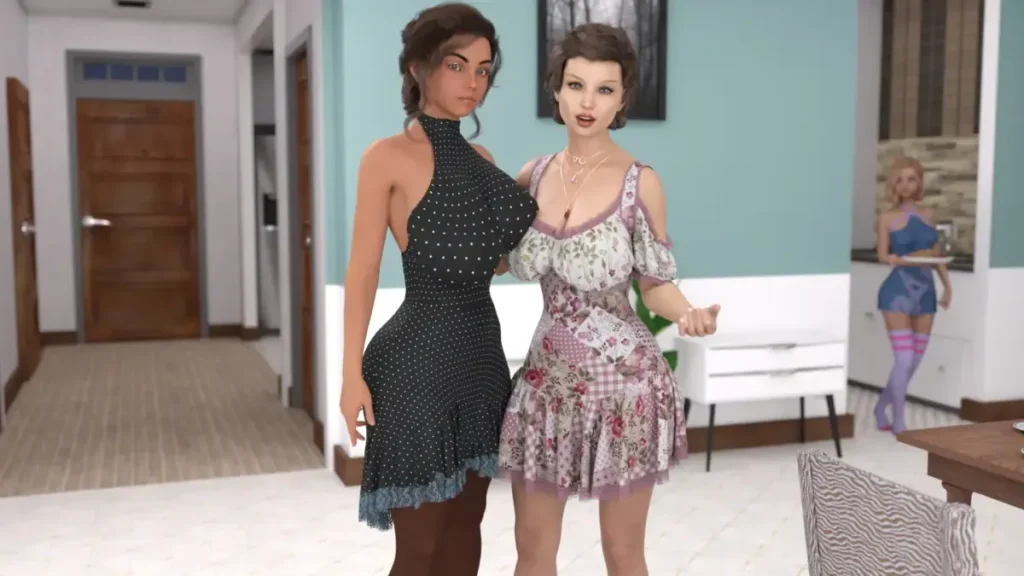
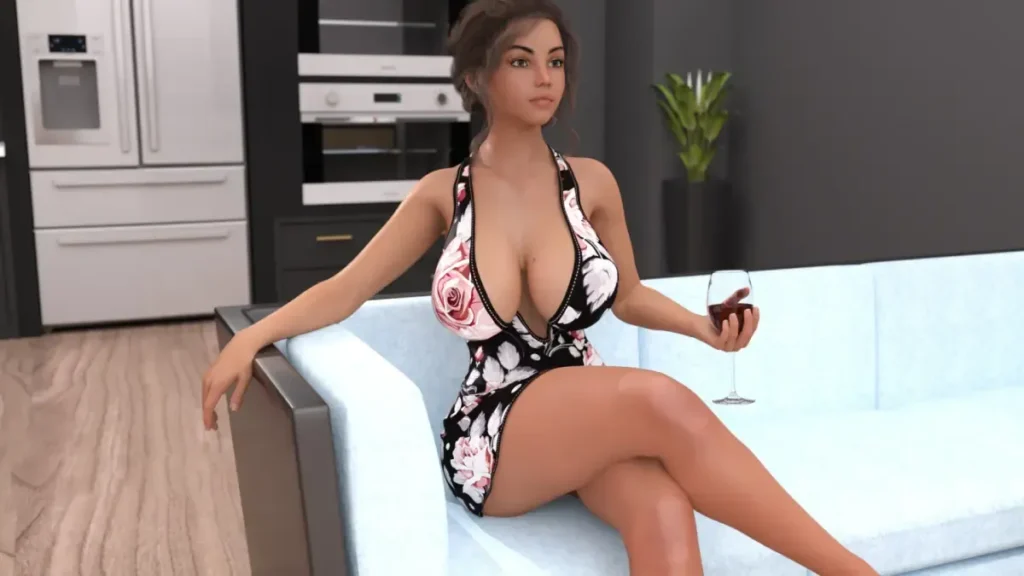
Unnatural Instinct review
Explore Unnatural Instinct gameplay, story, and player experience in one honest, spoiler‑aware guide
Unnatural Instinct is one of those games you stumble upon out of curiosity and end up thinking about long after you close it. With its blend of narrative choices, mature themes, and atmospheric design, this title has quietly built a devoted following. In this guide, I’ll walk you through how Unnatural Instinct works, what kind of experience you can realistically expect, and the small details that only show up once you’ve spent hours with it. Think of this as a friendly, honest tour from someone who has already gone down the rabbit hole so you can decide if the journey is right for you.
What Is Unnatural Instinct and Who Is It For?
So, you’ve heard the name, maybe seen some intriguing artwork, and you’re wondering: what is Unnatural Instinct? 🤔 If you’re picturing a fast-paced shooter or a sprawling open-world RPG, let’s adjust those expectations right now. The Unnatural Instinct game is something different, something more intimate. At its heart, it’s a mature, adult-oriented narrative experience built for players who believe that the most compelling journeys happen between characters, not just across maps.
Think of it less as a “game” in the traditional, reflex-testing sense and more as an interactive story where you hold the pen. Your primary tools aren’t guns or swords, but choices, dialogue options, and your own sense of empathy. The world of Unnatural Instinct is one of nuanced relationships, personal demons, and the quiet (or not-so-quiet) drama of connection. It’s designed for an audience that doesn’t mind—in fact, prefers—to slow down, read, reflect, and live with the consequences of their decisions. If that sounds intriguing, you’re in the right place for this Unnatural Instinct review. Let’s peel back the layers.
Core concept and setting of Unnatural Instinct
Imagine stepping into a life that’s at a crossroads. That’s your entry point into the Unnatural Instinct game. You don’t play a predefined hero; you guide a protagonist whose personality and future are shaped by your input. The Unnatural Instinct story description often revolves around navigating complex social landscapes, exploring deep-seated desires, and dealing with the fallout of past and present actions. The atmosphere is typically charged, immersive, and leans into a more reflective, sometimes melancholic or tense, mood rather than one of pure adventure.
The structure is classic to its genre but executed with deliberate care. You’ll experience the story through a Unnatural Instinct visual novel style presentation. This means you’ll spend a lot of time with beautifully illustrated character sprites against detailed backgrounds, reading through dialogue and internal monologue. The magic lies in the branching paths. Early on, you’ll realize that seemingly small choices—a comforting word, a defensive retort, a moment of vulnerability—can steer the narrative down entirely different routes. These aren’t just cosmetic changes; they can lead to distinct story arcs, deepen (or destroy) relationships, and unlock multiple endings that feel earned.
This is a gameplay overview centered on agency within a narrative. You are constantly making decisions that influence how other characters perceive and interact with you. A character who finds you trustworthy in one playthrough might be cold and distant in another, all based on your cumulative choices. The Unnatural Instinct gameplay overview is, therefore, a loop of reading, deciding, and witnessing the often subtle, sometimes dramatic, consequences of your actions. It’s designed for mature audiences not just in its thematic content, but in its demand for a player’s patience and emotional investment. If you enjoy stories that unfold at their own pace and value character development over constant action, this is the core appeal.
Who will actually enjoy Unnatural Instinct?
Let’s be brutally honest: the Unnatural Instinct game won’t be for everyone, and that’s perfectly okay. Knowing who it is for will save you time and set you up for a much better experience. So, who is Unnatural Instinct for? Here’s the breakdown:
- The Narrative Connoisseur: If your favorite part of any game is the story, if you love getting lost in lore, character arcs, and well-written dialogue, you are the prime audience. This game is a book you help write.
- The Choice-Driven Player: Do you reload saves in other games just to see how a different dialogue option plays out? Do you love the tension of moral dilemmas? Unnatural Instinct is built on this foundation. Your decisions carry tangible weight.
- The Fan of Mature, Character-Focused Drama: This is for players who want stories that grapple with adult themes—desire, regret, ambition, connection—in a direct way. It’s about human (and sometimes not-so-human) complexity.
- The Visual Novel Enthusiast: If you already appreciate the Unnatural Instinct visual novel style, you’ll feel right at home. It understands and utilizes the strengths of the format.
Conversely, what is Unnatural Instinct not? It’s not a puzzle game, a platformer, or a competitive experience. The friction comes when expectations are mismatched.
Practical Advice: Always, always check the game’s official tags and description before you play. They are your best guide to the themes and content you’ll encounter. Going in blind based on hype alone can lead to disappointment if the subject matter isn’t to your taste.
To make this crystal clear, let’s visualize the mindset shift:
| What Some Players Might Expect | What Unnatural Instinct Actually Offers |
|---|---|
| Fast-paced action and quick-time events | A deliberate, story-driven pace where tension builds through conversation |
| Clear-cut “good vs. evil” moral choices | Nuanced decisions where every option has emotional pros and cons |
| Skill-based progression (leveling up combat) | Relationship-based progression (deepening bonds or creating rifts) |
| Gameplay mechanics as the primary focus | Narrative and character interaction as the primary focus |
So, here’s the actionable guidance: If you usually skip dialogue to get to the “gameplay,” this may not be for you. 🚫 But if you love tracking subtle changes in character behavior and savoring a well-told story, you’ll probably love this. ✅ Understanding this is the key to answering “who is Unnatural Instinct for?”
My first hours with Unnatural Instinct
I booted up Unnatural Instinct with cautious curiosity. The menu screen set the tone immediately—a piece of evocative artwork and a soft, slightly haunting musical theme that promised more mood than mayhem. 👾 The interface was clean, typical of the genre, with clear save/load logs and a history log to re-read dialogue (a feature I’d come to appreciate).
The first hour was, I’ll admit, slow. This is a potential friction point I want to highlight honestly. You are introduced to the protagonist’s world, their routine, and their inner thoughts. There’s a lot of reading. For someone itching for immediate interaction, it could feel like a slog. But I stuck with it, and soon the Unnatural Instinct gameplay loop clicked. The early choices appeared simple: “Ask about their day” or “Change the subject.” “Offer to help” or “Keep your distance.” They felt almost mundane.
Then came a moment that completely reshaped my understanding of the Unnatural Instinct story description. Early on, I had a conversation with a key character who was clearly agitated. In a attempt to be reassuring, I chose an option that felt polite and supportive to me. The character’s reaction wasn’t gratitude—it was a flash of irritation, a sense that I had profoundly misunderstood their pain and had offered a hollow platitude. The dialogue shifted, their sprite’s expression changed subtly, and a small note in the UI indicated our relationship had cooled. ❄️
Here’s that short example: In a later scene, that same character was in a group discussion. When a conflict arose, they didn’t look to me for support as they might have otherwise. Instead, they slightly dismissed my input, referencing our earlier “talk” with a hint of lingering annoyance. My “nice” choice hadn’t just been forgotten; it had actively altered the dynamic in a believable, human way. That’s when I realized the emotional weight the game carries. It doesn’t just track “points”; it tracks resonance.
Another slight friction point was the menu system for tracking routes and endings—it’s comprehensive, which is great for completionists, but can look complex at first glance. It’s not something you need to engage with immediately, but it’s there when you’re ready to dive deeper.
Those first few hours taught me that Unnatural Instinct demands your attention not with flashy effects, but with subtext and consequence. The payoff for sticking with the initial pacing is a growing sense of investment. You stop being a player making choices for an outcome, and you start being the protagonist, worrying about how your words will land, feeling the anxiety of a tough decision. You begin to care, and that’s the game’s greatest achievement.
This honest Unnatural Instinct review of the early experience confirms it: if you surrender to its rhythm, you’re in for a deeply engaging, character-driven journey. It’s a specific, potent kind of interactive experience that stays with you long after you’ve closed the game.
Unnatural Instinct is the kind of game that rewards patience, curiosity, and a taste for character‑driven storytelling. Once you settle into its rhythm, the slow build of tension, the layered relationships, and the weight of your decisions start to feel surprisingly personal. If you’ve been looking for a mature narrative experience that treats your choices seriously instead of rushing you from scene to scene, this title is worth putting on your list. Take the time to read the content notes, dive in with an open mind, and see whether its particular blend of mood and story speaks to you the way it has for many dedicated players.